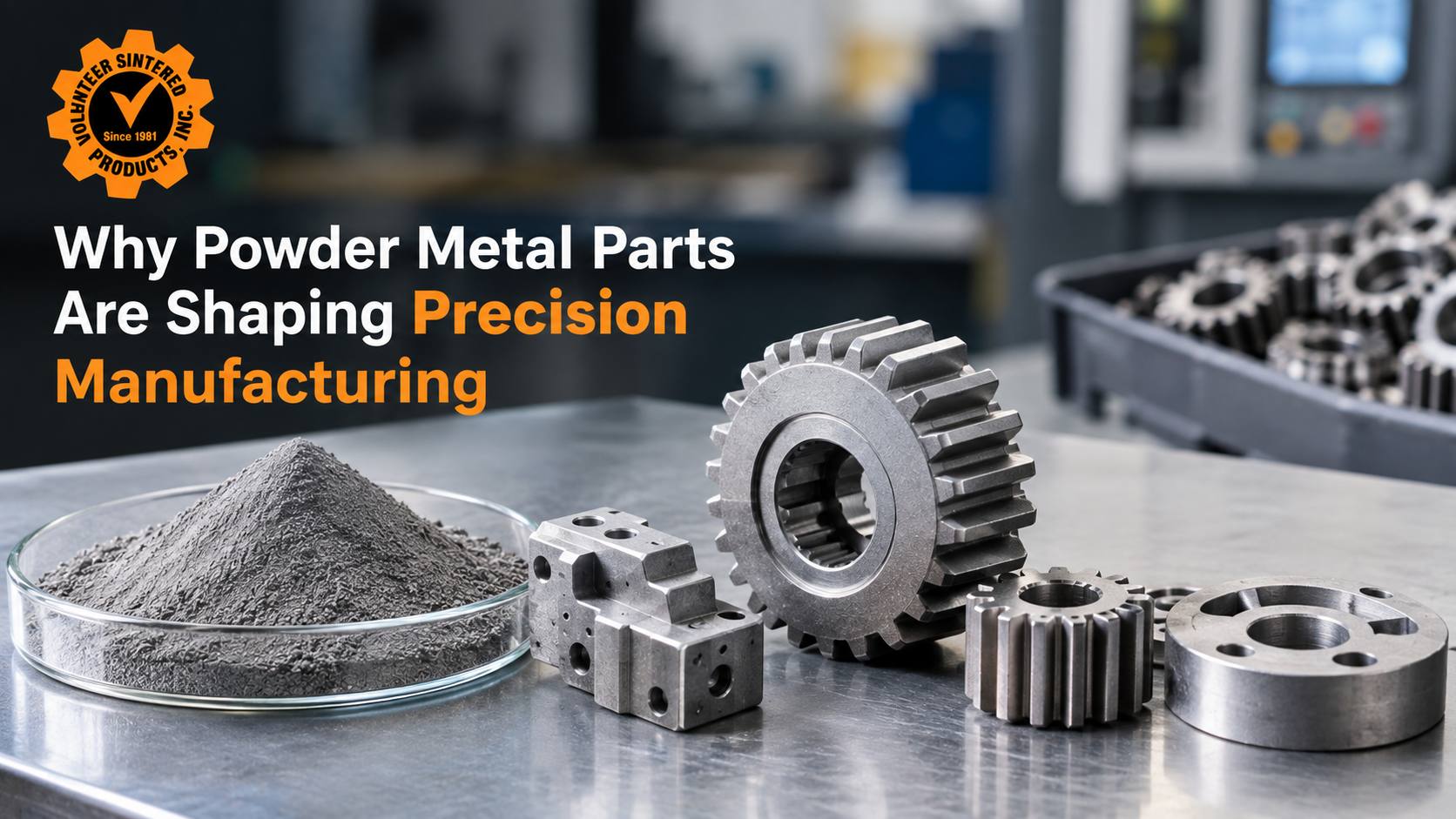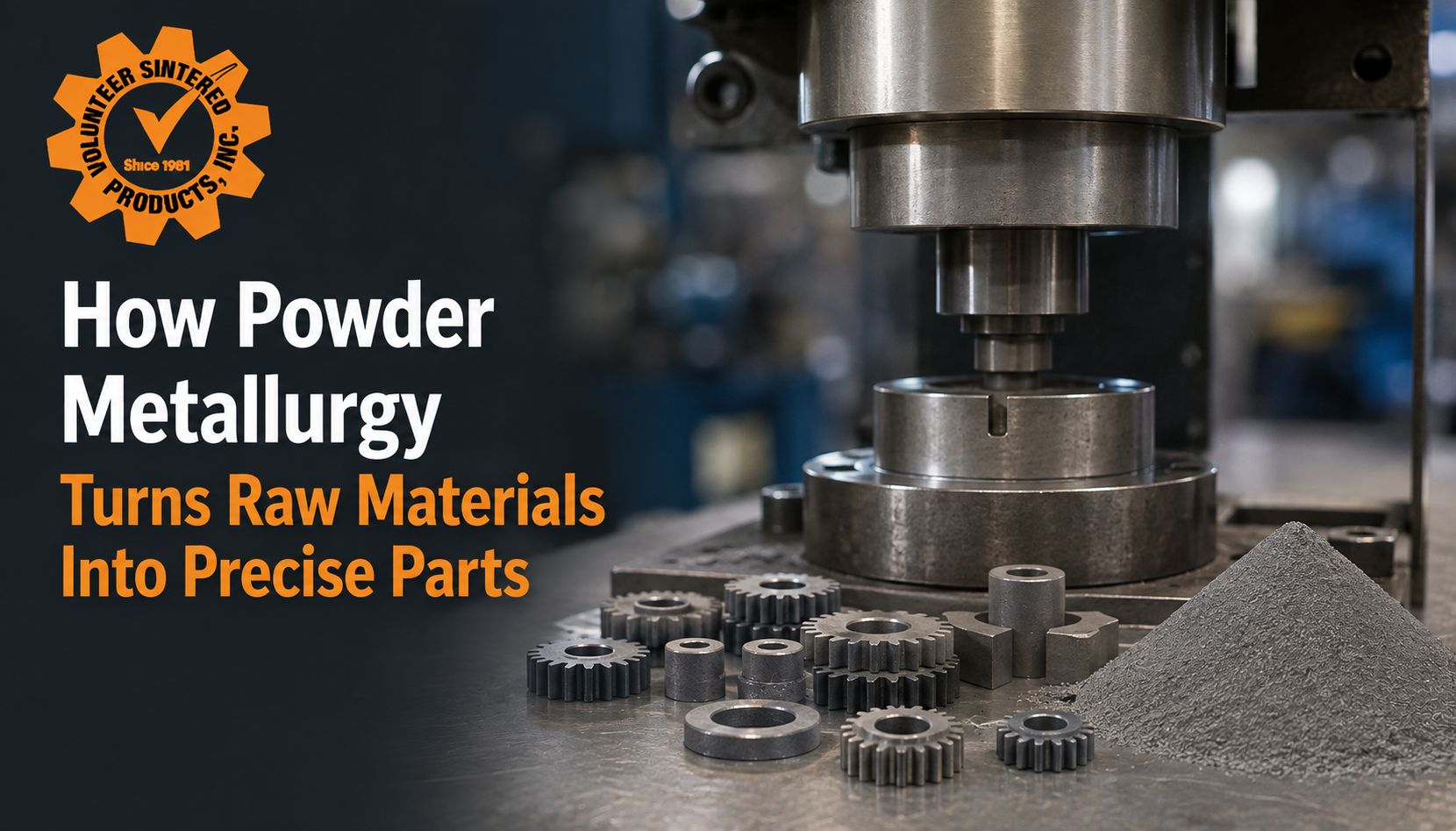
Powder metallurgy has emerged as an important technique for manufacturing metal parts of very good quality and accuracy with the least amount of wastage. Whether you are a newcomer to this field or an engineer with years of experience, there is one thing that is essential for you to understand and be conversant with the terminology that is associated with the field of powder metallurgy. This is because of the critical role they play in communication between engineers.
Why Understanding Powder Metallurgy Terminology Matters
All production methods have their own vocabulary, and that of powder metallurgy is no exception. Each step from powder production to the very end, when the product is finished, involves terminology.
A good grasp of these terms will be helpful to engineers in ensuring that products are manufactured to meet the required standards. It also forms a core of Powder Metal Engineering, which is very critical in manufacturing.
Powder Production and Material Characteristics
The powder itself is the foundation of every powder metallurgy component. Understanding how powders are produced and evaluated is the first step in mastering the process.
1. Atomization
The atomization technique is the most popular process for the manufacture of metal powder. This involves the spraying of liquid metal by high-pressure gases or water sprays, whereby the metal breaks down into small droplets that solidify to form powder particles. The geometry of the particles affects the way they compact and sinter.
2. Pre-Alloyed Powder
The pre-alloyed powders have various elements that have been mixed during the powder manufacturing process. Since all the particles are the same in their compositions, it becomes easy to make consistent materials.
3. Apparent Density
Apparent density refers to the mass of a specific volume of loose powder. This measurement helps determine how efficiently a powder will fill a die cavity during production. Powders with suitable apparent density often provide more consistent compaction results.
4. Flow Rate
The flow rate refers to the speed at which a specified amount of powder flows from the standard funnel. The reason why flow properties are important is that they help guarantee uniform filling of the dies, ensuring good quality parts.
Moving from Powder to Shape
After preparation of the powder, it needs to be shaped before the sintering process starts.
5. Green Compact (Green Part)
A green compact is the pressed component before it undergoes sintering. Although it already has the final shape of the finished part, it remains relatively fragile and requires careful handling during production.
6. Green Strength
Green strength describes the ability of the green compact to maintain its shape and withstand handling. Adequate green strength is necessary to move parts safely from the press to the sintering furnace without damage.
7. Tooling
Tooling refers to the dies, punches, and molds used for compressing the metal powder in order to create a particular shape. Tool design is very important in terms of accuracy, density control, and efficiency.
8. Lubricant
Lubricants are used in the mixing of the powders or on the surface of tooling equipment in order to minimize friction when compacting the material. Low friction leads to better flow of the powder and to uniform density distribution in the part.
The Critical Sintering Stage
Sintering is often considered the heart of powder metallurgy because it transforms a fragile compact into a durable metal component.
9. Sintering
Sintering is a process where heat is applied to a green body at a temperature below the melting point of the metal. In this process, particles are joined together, thereby enhancing the strength of the part.
10. Necking
The necking stage is when metallurgical bridges are formed between neighboring powders during sintering. With the increase in these bonds, the strength of the component improves.
11. Porosity
Porosity is the term for the tiny holes that are left inside a sintered part. Whether this porosity is reduced or increased depends on the purpose of the part. For example, a self-lubricating bearing would have increased porosity. The concept of porosity is one of the fundamental aspects of advanced Powder Metal Engineering Solutions.
12. Shrinkage
The phenomenon of shrinkage takes place when there is a closer packing of particles during the process of sintering, resulting in a change in the overall size of the parts produced.
Design and Finishing Terminology
After sintering, additional processes may be used to improve precision, performance, or functionality.
13. Net Shape and Near-Net Shape
Net shape manufacturing produces parts that require little or no additional machining after sintering. Near-net-shape components may need minor finishing operations, but are still very close to their final dimensions. These capabilities are among the major advantages of powder metallurgy because they reduce material waste and manufacturing costs.
14. Impregnation
Impregnation is the process of filling the interconnected pores of a sintered component with another material, such as oil. This technique is commonly used in bearings and other applications where continuous lubrication is beneficial.
15. Sizing
Sizing is a secondary operation performed after sintering. The component is pressed again using specialized tooling to improve dimensional accuracy, achieve tighter tolerances, and enhance surface finish.
Building Stronger Knowledge for Better Engineering Decisions
Knowing all these vital powder metallurgy terminologies is more than just acquiring knowledge. It offers a better platform to critically analyze material properties, improve processes, and design reliable parts for use in tough conditions.
In powder metallurgy, many manufacturers evaluate different companies like VSP, GKN Powder Metallurgy, and PMG Holding in relation to their ability to do the job. Every company comes with its unique strengths; nevertheless, the ultimate thing that decides the game is the process of engineering and selecting the right one.
Familiarity with the terms used in powder metallurgy will be very helpful in communication, troubleshooting, and innovative solutions. For further information on our powder metallurgy products or any questions regarding your project, do not hesitate to get in touch with Volunteer Sintered Products.