The sintering process is where your powder metal component earns its mechanical properties: strength, hardness, density, and wear resistance are all determined by how precisely the sintering stage is engineered. At Volunteer Sintered Products, we apply 45+ years of sintering expertise, controlled furnace environments up to 2,100°F, and ISO 9001:2015 certified quality systems to deliver sintered metal components that perform exactly as specified.
Sintering is the thermal process that transforms a compacted “green” part into a fully functional metal component. During sintering, controlled heat fuses individual metal particles into a solid mass with targeted density, tensile strength, hardness, and dimensional properties. Getting this stage right is the difference between a component that meets specification and one that fails under load.
Our sintered metal engineering process goes beyond simply running parts through a furnace. We engineer every sintering parameter, temperature profiles, heating and cooling rates, atmosphere composition, and hold times to achieve the exact material properties your application demands. Our sintering furnaces operate at temperatures up to 2,100°F with CQI-9 real-time monitoring, giving us precise control over every production run.
We serve manufacturers across automotive, construction and agricultural machinery, powersports, outdoor power equipment, hydraulics, and industrial sectors with sintered metal components in iron, stainless steel, brass, and bronze formulations.
Every sintered metal component we produce is engineered around three critical performance variables: density, mechanical strength, and dimensional accuracy. By controlling powder formulation, compaction pressure, and sintering conditions in-house, we optimize all three simultaneously delivering components that meet tight tolerances and perform reliably under demanding operating conditions.
Our sintering engineering capabilities cover the full spectrum of ferrous and non-ferrous applications. Standard sintered components achieve densities of 6.4–7.2 g/cm³ for iron-based materials, with higher densities achievable through double-pressing and double-sintering or sinter-forging techniques. For applications requiring enhanced surface hardness, we offer sinter hardening combining the sintering and hardening steps into a single furnace cycle to reduce processing time and cost.
Whether you need a self-lubricating bronze bushing with controlled porosity, a high-density steel gear with case-hardened surfaces, or a stainless steel component for corrosive environments, our engineering team tailors the sintering process to match your exact requirements.
Every custom sintered component follows our six-stage engineering workflow. This structured process ensures your part achieves the precise density, strength, and dimensional accuracy your application requires validated before production begins.




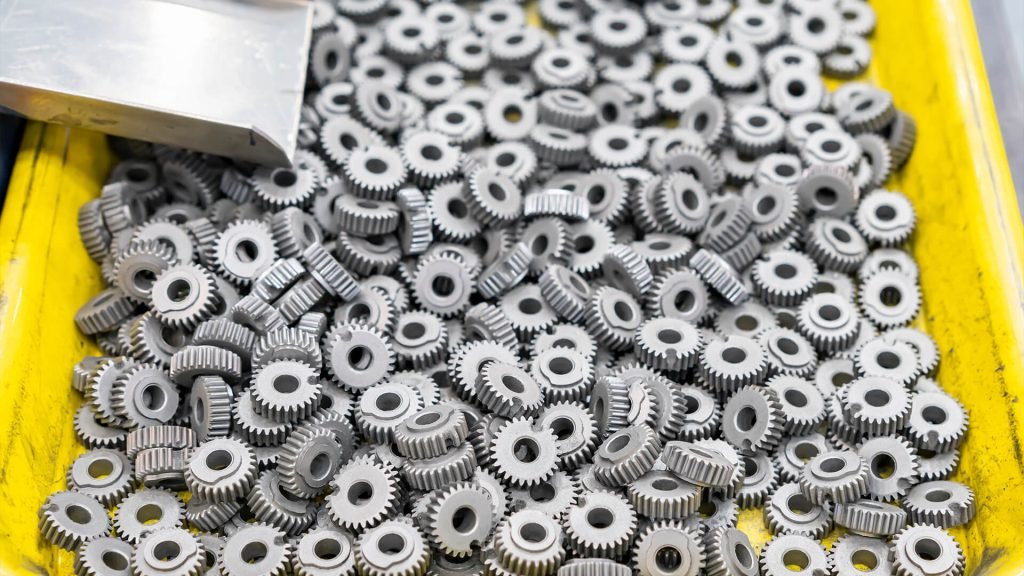
The sintering process unlocks material properties and design possibilities that conventional metalworking methods cannot match. By engineering the sintering cycle precisely, we can produce components with controlled porosity for self-lubrication, graded density profiles for optimized load distribution, and sinter-hardened surfaces that eliminate the need for separate heat treatment.
Our conversion engineering capability is particularly valuable here: we take your existing machined, cast, or forged components and re-engineer them as sintered metal parts. Conversion typically reduces per-unit cost by 20–40% while improving part-to-part consistency and eliminating secondary machining steps. The near-net-shape nature of sintered components means material utilization exceeds 95%, compared to 50–70% for conventional subtractive machining.
For applications that demand maximum density, we offer advanced techniques including double-pressing and double-sintering, sinter-forging, and high-temperature sintering above 2,050°F. These processes push sintered density above 7.4 g/cm 3 for iron-based materials, approaching the theoretical density of wrought steel delivering mechanical properties comparable to forged parts at a fraction of the cost.
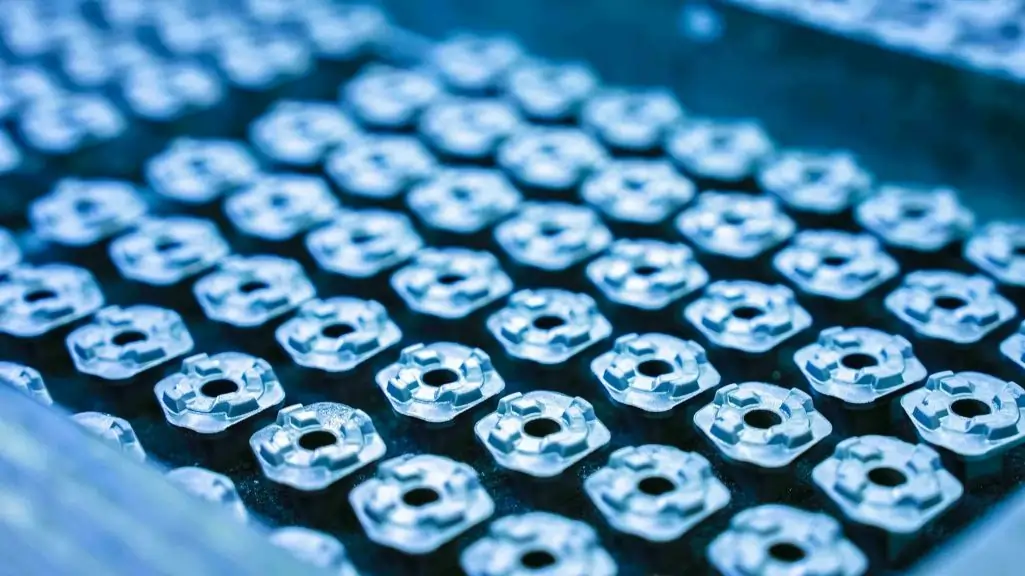
Since 1981, Volunteer Sintered Products has been refining the art and science of sintered metal manufacturing at our vertically integrated facility in Lafayette, Tennessee. What started as a single-site powder metallurgy operation has grown into a full-service sintered metal engineering partner trusted by global OEMs across automotive, agricultural, industrial, and specialty sectors.
Our second-generation family leadership means decisions are made fast, engineering support is hands-on, and every customer project gets direct access to the people who run production. We operate two shifts, maintain ISO 9001:2015 certification with annual third-party audits, and run weekly internal quality reviews driven by Kaizen continuous improvement principles.
Strategically located within 250 miles of 12 major U.S. metro areas, we provide 1–2 day ground shipping to automotive and industrial centers across the Eastern United States keeping your supply chain fast and your freight costs low
Our sintered metal engineering capabilities support manufacturers across industries where component density, dimensional accuracy, and mechanical reliability directly impact equipment performance and safety.
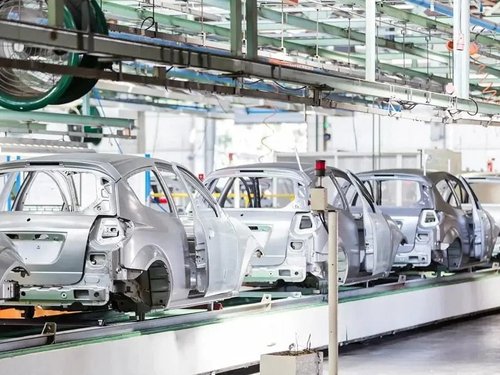
We engineer sintered gears, bushings, fuel-pump rotors, cam followers, and transmission components for automotive OEMs and tier-one suppliers. Every automotive sintered part we produce meets the tight density tolerances and surface finish requirements demanded by modern powertrain and EV drivetrain systems.
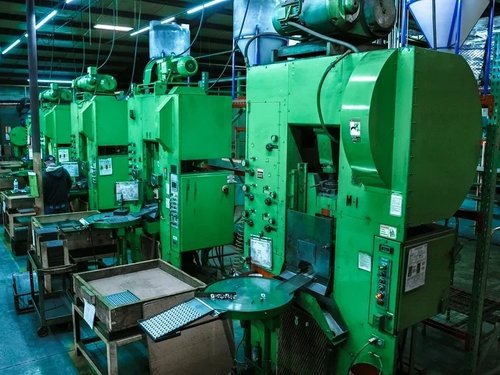
Our sinter-hardened clutch segments, PTO shaft spacers, harvester idler assemblies, and hydraulic drive components are engineered to maintain mechanical performance under extreme loads, vibration, and field conditions that destroy conventionally manufactured parts.
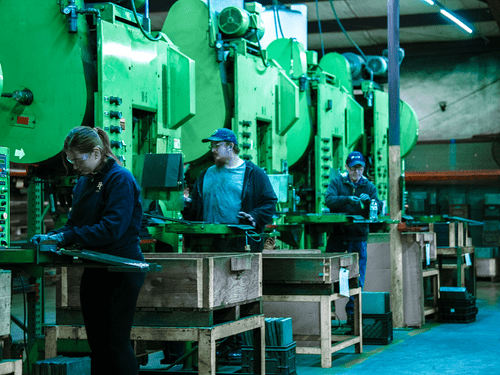
We produce high-density sintered drivetrain, transmission, and suspension components for ATVs, UTVs, snowmobiles, and off-road vehicles. Our sintering process delivers the impact resistance and dimensional stability these high-RPM, high-shock applications demand.
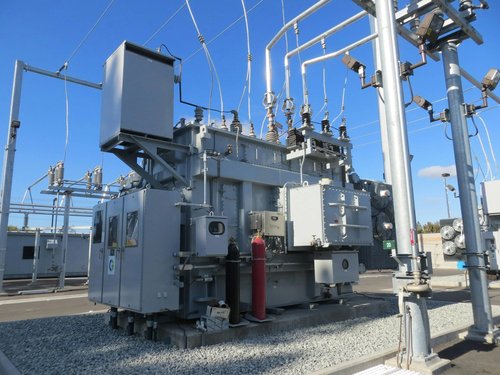
Sintered gear sets, impellers, blade adapters, and clutch components for commercial and residential outdoor equipment. Engineered through controlled sintering to resist wear, vibration, and environmental exposure across thousands of hours of operation.
Already have a machined, cast, or forged component? Our conversion engineering process evaluates whether re-engineering it as a sintered metal part can lower your costs, improve consistency, and simplify your supply chain. Here’s how conversion works.
We assess your current component design, manufacturing method, performance requirements, and service history to identify opportunities where sintered metal manufacturing can improve cost, quality, and production efficiency.
Our metallurgical team evaluates microstructure, hardness, density, and wear characteristics to identify performance issues and recommend the ideal material solution for the sintered component.
We select the optimal powder material and part geometry, balancing density, strength, hardness, and dimensional accuracy using iron, stainless steel, brass, bronze, or custom alloy blends.
Working with your engineering team, we optimize the design for efficient compaction, uniform density, and stable sintering performance while preserving all critical functional requirements.
Production-grade prototypes are manufactured, tested through our in-house quality lab, and validated before transitioning into full-scale production with confirmed specifications.
Not every powder metal manufacturer has the sintering expertise to deliver consistent results across demanding applications. Here’s what makes VSP’s sintered metal engineering different.
Our sintering furnaces operate at temperatures up to 2,100°F with CQI-9 real-time monitoring and controlled atmosphere management. This gives us precise control over density development, porosity levels, and mechanical property formation in every production run, not just spot checks.
Our team includes metallurgists and materials engineers who understand the relationship between powder formulation, sintering parameters, and final component properties. We don’t guess at sintering profiles, we engineer them based on material science and validate results through metallurgical microscopy.
Sintering is just one stage of production. After sintering, we handle sizing, secondary machining (lathes, mills, grinders), heat treatment, brazing, and assembly all in-house. You get a finished, production-ready component, not a semi-processed part that needs additional vendor coordination.
Our ISO 9001:2015 certified testing lab verifies every production lot with CMM dimensional measurement, Keyence 3D scanning, hardness and density testing, torque and run-out checks, pressure and leak testing, and metallurgical microstructure evaluation. We catch problems before they leave our facility.
We specialize in converting machined, cast, and forged components to sintered metal often reducing per-unit cost by 20–40% while improving part consistency. Our team evaluates your existing components and determines the optimal sintering approach to replicate or exceed their performance at lower cost.
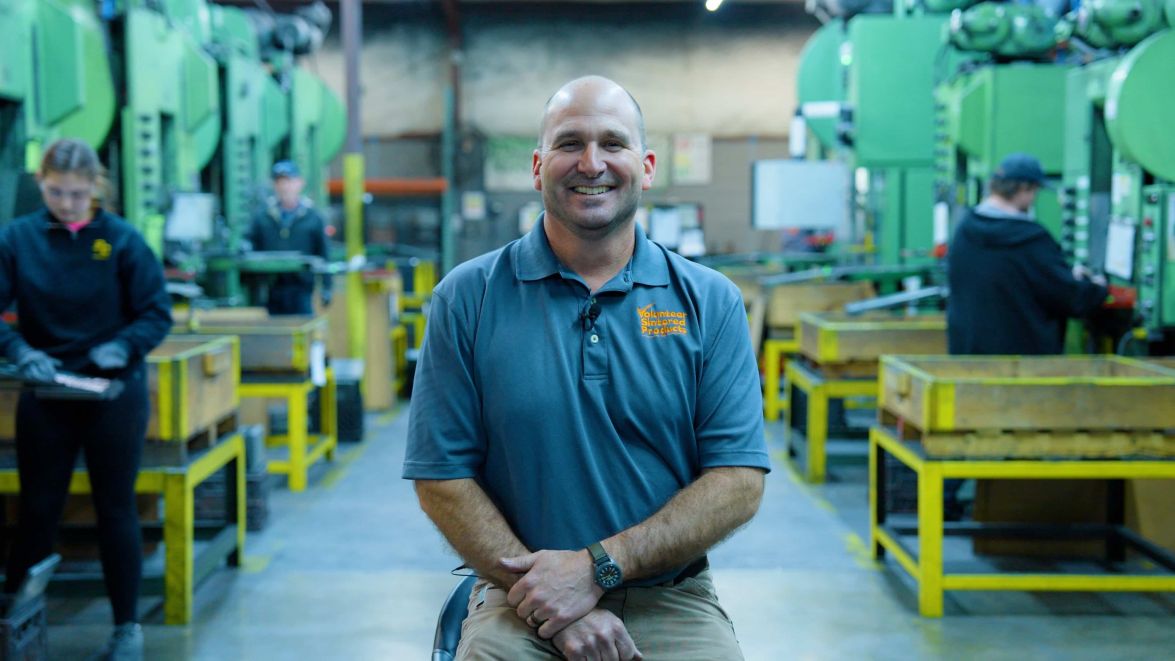
Whether you’re developing a new sintered component from scratch or converting an existing machined part to sintered metal, our engineering team is ready to help. Send us your CAD files or part specifications for a free manufacturability assessment and sintering feasibility review. We’ll recommend the optimal approach and provide a detailed quote typically within 48 hours.
Our sintered metal manufacturing facility in Lafayette, Tennessee is strategically positioned within 250 miles of 12 major U.S. metro areas. We provide 1–2 day ground shipping to automotive and industrial hubs across the Eastern United States and serve customers nationwide and in seven countries internationally.
Sintered metal engineering is the discipline of designing and manufacturing metal components through powder metallurgy’s sintering process. Metal powders are compacted into a precise shape, then heated in a controlled furnace environment at temperatures up to 2,100°F. This thermal process fuses the metal particles into a solid component with engineered density, tensile strength, hardness, and dimensional properties. The sintering stage is where the component acquires its final mechanical characteristics, making sintering engineering critical to part performance.
"Powder metal" refers to the entire manufacturing process from powder selection and blending through compaction, sintering, and finishing. "Sintered metal" specifically refers to components that have undergone the sintering stage, where heat fuses the compacted powder into a solid part. In practice, the terms are often used interchangeably, but sintered metal emphasizes the thermal processing that gives the component its final strength and properties.
Sintering can achieve a wide range of mechanical properties depending on the powder formulation and sintering parameters. Standard iron-based sintered parts typically reach densities of 6.4–7.2 g/cm³, with tensile strengths ranging from 20,000 to 100,000+ psi depending on the alloy system. Through advanced techniques like sinter hardening, double-pressing, and high-temperature sintering, densities above 7.4 g/cm 3 are achievable approaching wrought steel properties. Hardness, wear resistance, and fatigue life can all be engineered through sintering profile optimization.
For many applications, yes. Standard sintered parts deliver mechanical properties suitable for the vast majority of structural and functional applications. Through high-temperature sintering (above 2,050°F), double-pressing and double-sintering, or sinter-forging, sintered components can achieve densities approaching 7.6 g/cm³ very close to wrought steel with mechanical properties comparable to forged parts at significantly lower per-unit production cost.
Yes. One of sintering’s unique advantages is the ability to engineer controlled porosity into a component. This is used to create self-lubricating bearings and bushings, where oil is absorbed into the pore structure and released during operation, providing continuous lubrication without external oil supply. Porosity levels can be precisely controlled by adjusting compaction pressure and sintering parameters.