
Developing dependable powder metal components requires more than selecting a material and forming a part. Our Powder Metal Engineering Texas services bring together design knowledge, material selection, and manufacturing considerations to help businesses develop components that perform reliably in demanding applications. From early design review through production planning, we focus on practical engineering decisions that support component quality, manufacturing efficiency, and long-term performance.
A well-planned powder metallurgy process Texas manufacturers can rely on starts with understanding how the component will perform and how it will be produced. Our engineering approach considers the relationship between material characteristics, component geometry, tooling, and production requirements.
This approach helps manufacturers establish a more efficient path from initial design to consistent production.
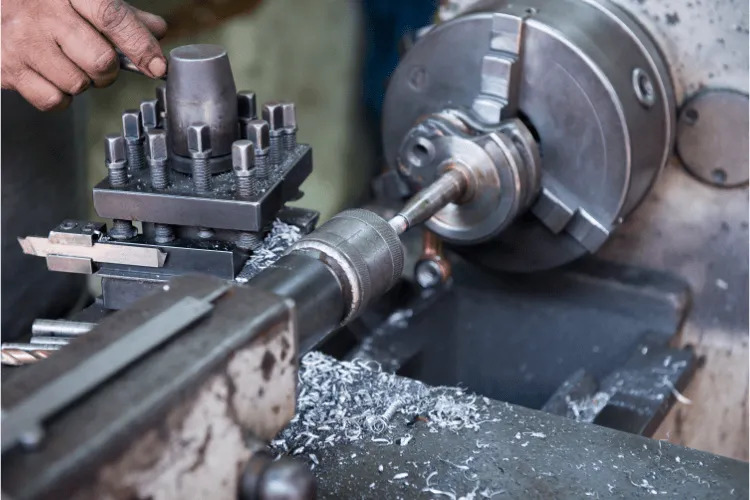
Component performance depends heavily on the decisions made before production begins. Our powder metallurgy components Texas capabilities support manufacturers looking to balance part functionality, material efficiency, and production requirements.
The result is a practical engineering strategy designed around each component’s specific requirements.
The process of turning metal powder into final components involves a series of controlled steps designed to ensure strength, precision, and consistency. At Volunteer Sintered Products, we carefully manage each stage to convert raw powder into high-quality engineered parts.




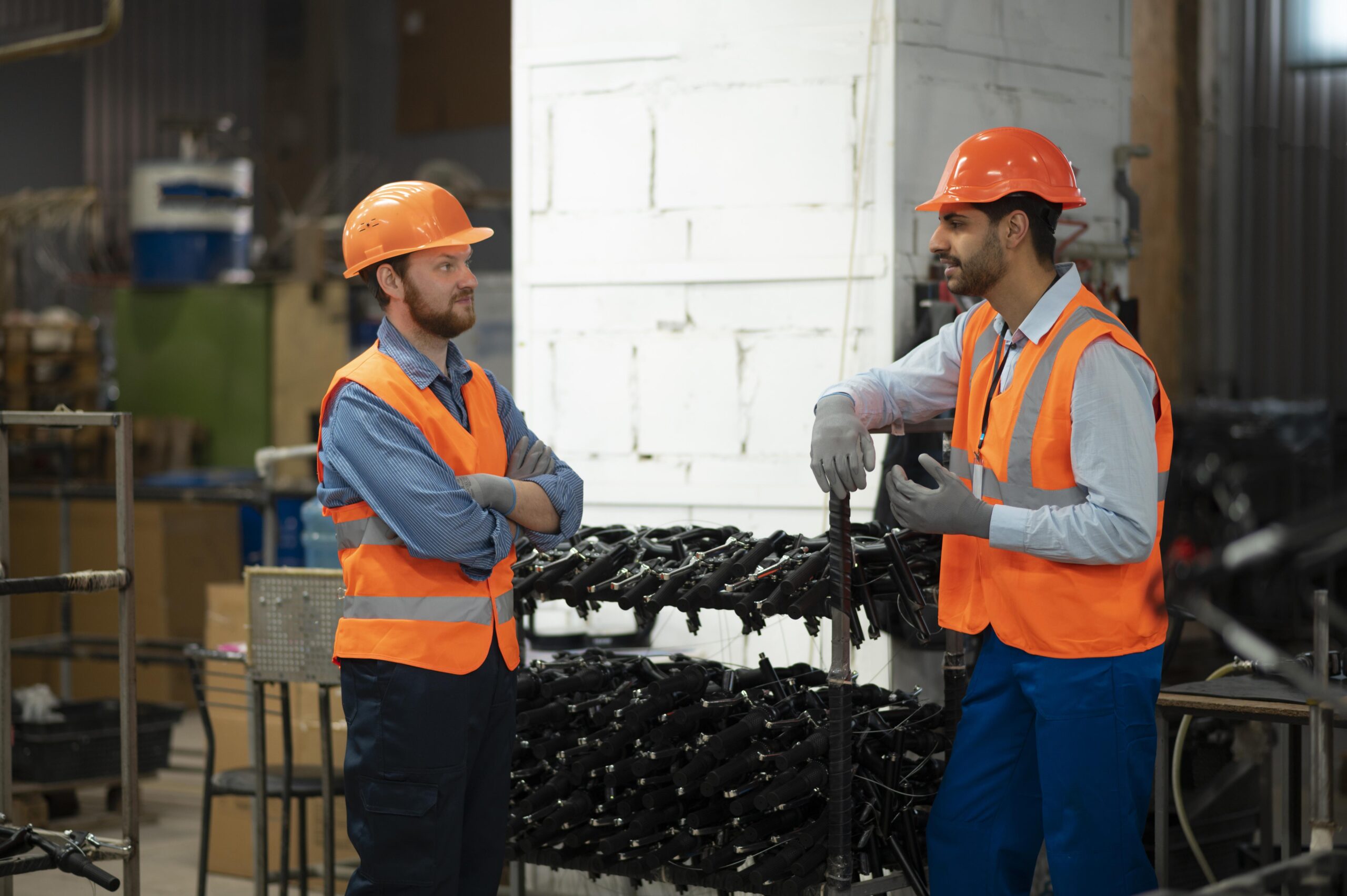
Manufacturers often need components that meet demanding specifications without adding unnecessary production complexity. Our powder metallurgy products Texas solutions are developed with efficiency, repeatability, and application performance in mind.
Powder metallurgy can support complex component geometries while making efficient use of raw materials. Through careful engineering and controlled production methods, we help manufacturers develop products that are suited to their intended applications and production goals.
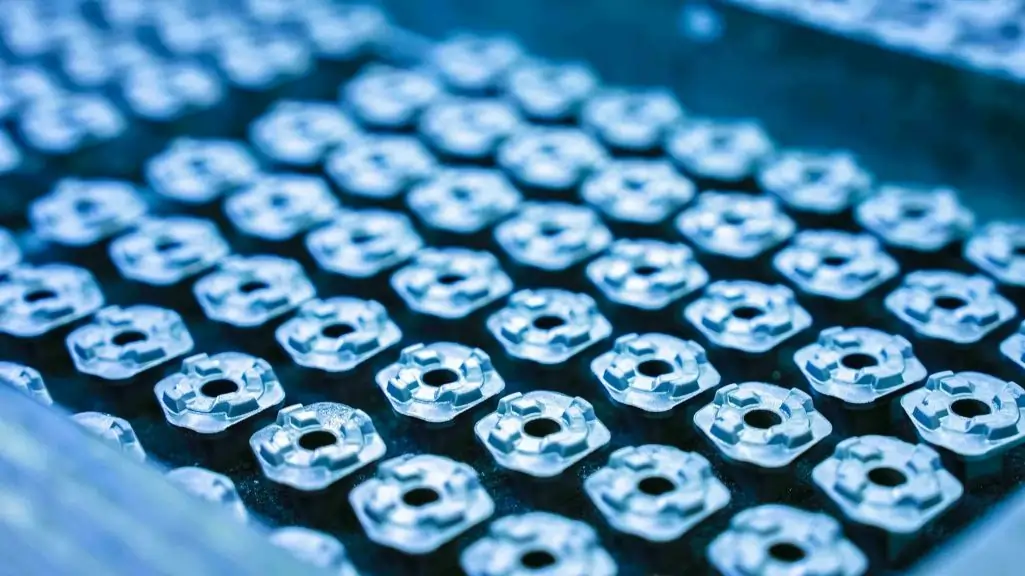
Founded in 1981, VSP is a global provider of custom-engineered powdered metal (PM). Since starting in Lafayette, TN, VSP continuous pursuit of new technologies and capabilities has led to a growing global footprint. VSP has grown its manufacturing operations throughout the Eastern part of the United States and continues to expand in and outside of the country.
VSP is headquartered in the northeast of Middle TN, where the offices for its senior management, staff, and technical center are located.
Since 1981, VSP has won numerous awards, both locally and nationally, for its innovation, powder metal products, and next level partnerships.
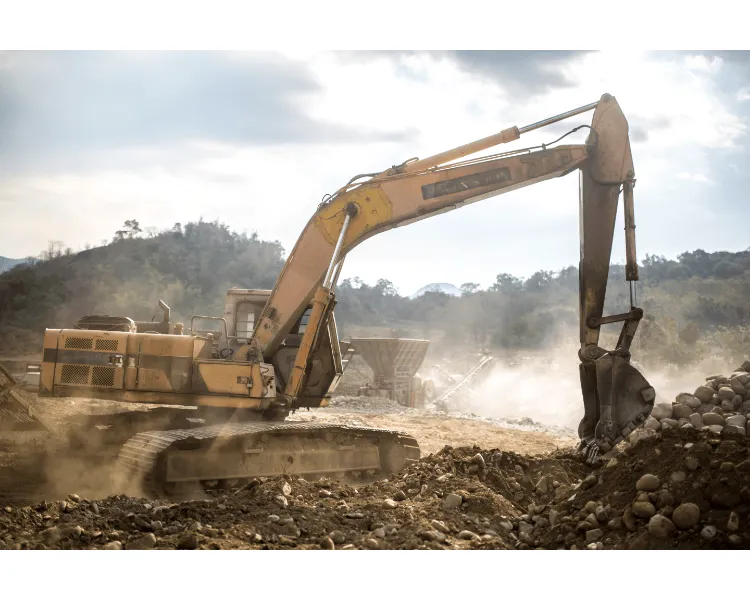
Collaborate with our expert engineers to enhance your off-highway and agriculture equipment with durable components. Our solutions provide increased reliability and longevity, reducing downtime and maintenance costs.
High-pressure Sealed Components for Fluid, Vacuum, and Air
Finished Oil and Fuel Transfer Pump Components
Steering Vane Pump and Braking Components
ABS Components
Differential Components
Steering Vane Pumps
Braking Components
& More
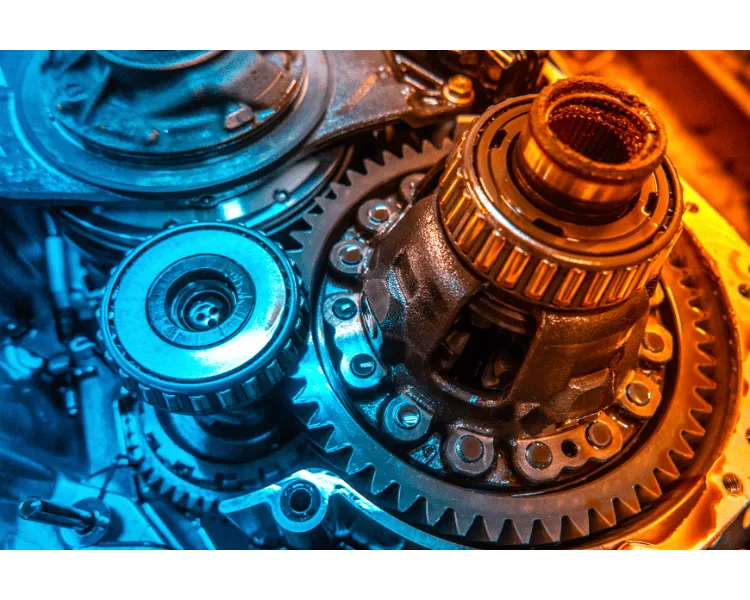
Steering Components
Variable Vane Pump
VVT/VCT Components
Sprockets
Assembled Camshafts
Transmission Gears
Seating Components
Differential Components
& More
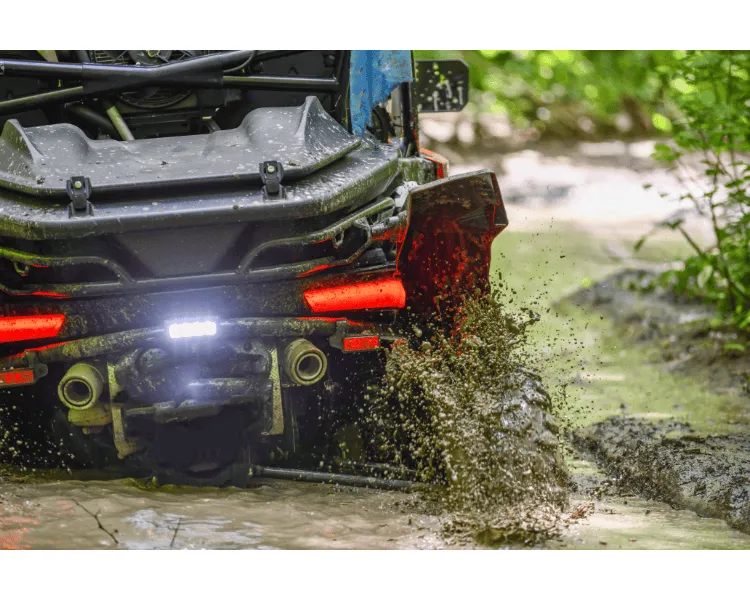
Drivetrain Components
Transmission Gears & Sprockets
Differential Components
Shock & Suspension Mounts
Frame & Chassis Brackets
Brake System Components
Electric Motor Soft Magnetic Composites (SMCs)
Winch Mounting Brackets
& More
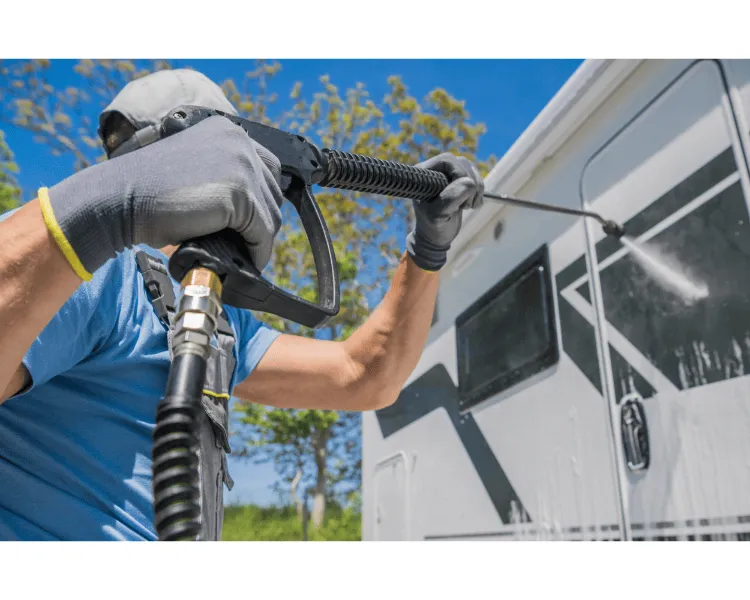
VSP provides custom powder metal solutions tailored for outdoor power equipment and lawn and garden applications, delivering unmatched engineering expertise. Our solutions improve product durability and user satisfaction.
Clutch Components
Blade Adapters
Linkages
Steering Components
Self-Propelled Applications
& More
Our sintered metal manufacturing process combines precision engineering with advanced technology to produce components that meet exact performance standards.
Review Existing Application For Issues Or Risks
Perform failure analysis, or material analysis where required
Recommend material & final geometry options
Collaborate on design modifications
Prototype and Testing
Manufacturers need an engineering partner that understands both component requirements and real-world production challenges. Volunteer Sintered Products combines powder metallurgy knowledge with practical engineering support to help develop precise, efficient, and dependable solutions.
Apply extensive powder metallurgy experience to complex component designs and demanding production requirements, with a focus on practical outcomes.
Consider part function, operating conditions, material selection, and specific production goals during development, ensuring solutions fit real-world needs.
Maintain close attention to dimensional accuracy, repeatability, consistency, and dependable component performance throughout production, batch after batch.
Evaluate tooling, materials, component geometry, and manufacturing methods to support efficient production while minimizing unnecessary processing.
Provide practical engineering guidance from early design considerations through development, validation, and continued production, helping maintain consistent results.
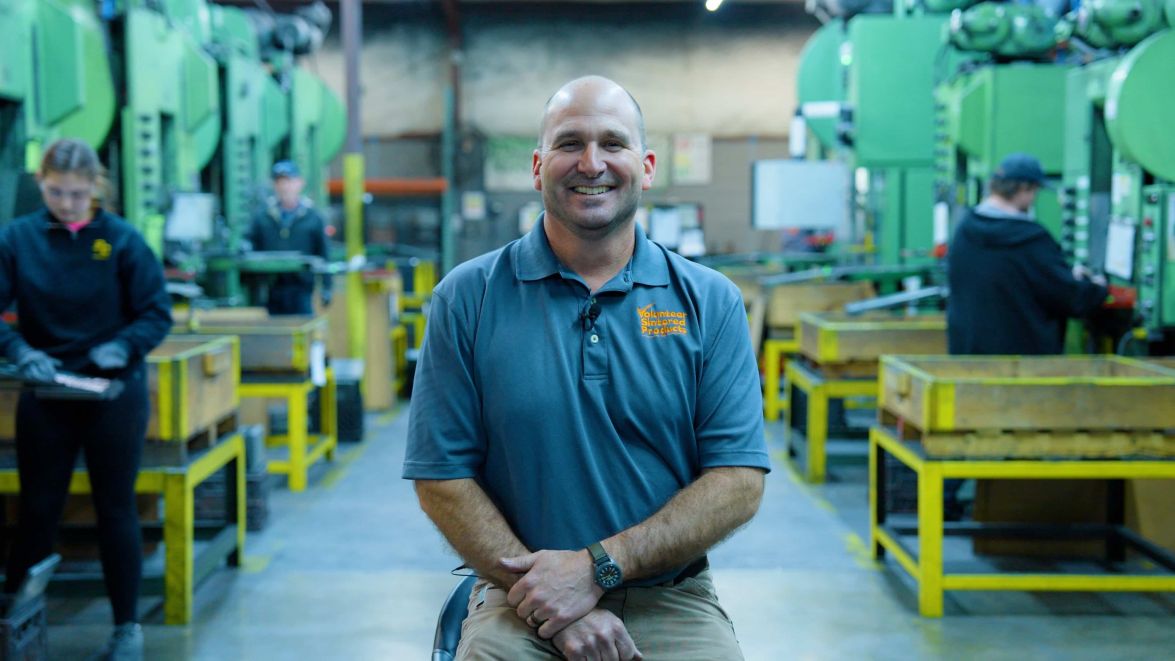
Powder metal engineering helps Texas manufacturers develop precision components by evaluating materials, designs, tooling, production methods, and application requirements.
Texas manufacturers across automotive, agricultural, industrial equipment, machinery, and other sectors use powder metallurgy components for reliable and efficient applications.
Yes. Powder metal engineering can support custom component designs by considering geometry, material properties, tolerances, production volume, and specific application requirements.
Material selection depends on the application. Factors such as strength, density, wear resistance, durability, and operating conditions help determine the appropriate powder metal material.
The powder metallurgy process can provide efficient material usage, repeatable production, consistent dimensions, and reduced secondary operations for suitable component designs.