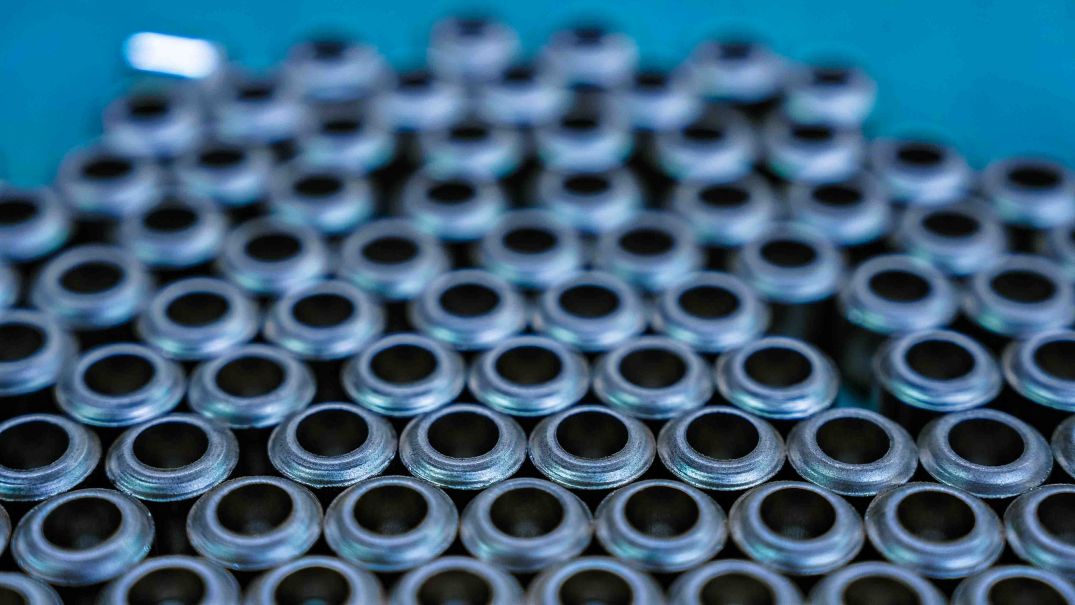
Manufacturing in today’s era is highly reliant on precision, efficiency, and consistency in producing quality products. With the increasing need for strong, light, and intricate components, the use of sintered metal engineering becomes essential to satisfy these needs. By converting metal powder into sturdy components with little material wastage, this manufacturing process provides many practical benefits.
If you are involved in the design of any component or trying to improve your manufacturing techniques, knowledge about sintered metal engineering will be useful for you.
Why Understanding Sintered Metal Engineering Matters
The same holds for powder metallurgy. Knowledge of the processes of working metal powders, their compaction, and sintering enables engineers to design components that are as efficient as possible and yet avoid problems during production. This is the base of Sintered Metal Engineering.
1. Understanding the Sintering Process
The sintering process converts loose metal powders into strong, precision-engineered components through several carefully controlled manufacturing stages.
Powder Formulation and Blending
The first step is the selection of proper metals that can be used for the purpose. These can be elemental or alloyed as per the mechanical requirements of the product. Then lubrication is done to ensure good flow and to reduce friction.
Proper blending ensures every part receives a consistent material composition before pressing begins.
Compaction (Pressing)
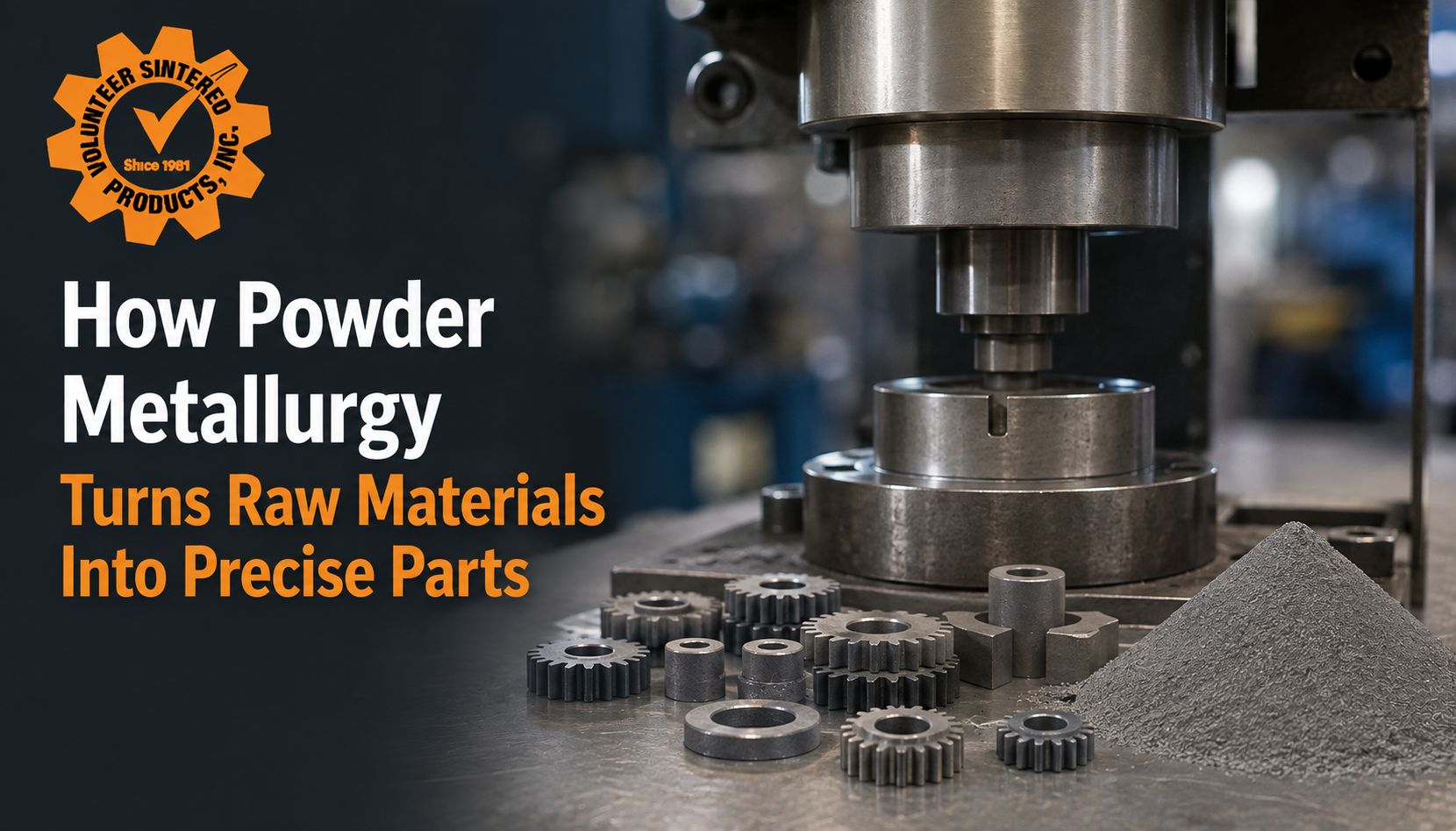
The manufactured powders are loaded into dies, which then apply pressures in the range of 200 to 800 MPa, producing a “green” part that is very similar to the finished product except that it has not yet been strengthened.
Even though quite fragile, the “green” part retains sufficient stability for handling until the sintering process is completed.
Sintering (Thermal Bonding)
The formed parts are heated inside furnaces filled with an atmosphere of hydrogen, nitrogen, vacuum, or another protective atmosphere that will not cause any oxidation.
Heating the components to approximately 70–90% of the metal’s melting temperature enables atomic diffusion between powder particles. This metallurgical bonding creates dense, durable components with excellent mechanical properties.
Moving from Materials to Performance
Choosing the right material is as important as knowing how the manufacturing process works. There are various alloys that have different characteristics.
2. Selecting the Right Material System
Material selection directly influences the final performance of every sintered component.
Iron and Steel
Materials made from iron continue to be popular because of their great strength, low cost, and heat treatability. They are commonly used in construction components, gears, sprockets, and machines.
Stainless Steel
Powdered forms of stainless steel exhibit great corrosion resistance along with good mechanical properties. Such materials are extensively used in hospitals, at sea, and in food processing plants.
Copper and Bronze
Powder metallurgy of copper and bronze yields excellent conductivity of electricity and heat. The inherent lubricating properties of these materials make them suitable for bearings and bushings as well as for electrical parts.
Titanium, Tungsten, and Specialty Alloys
Special metals like titanium and tungsten and superalloys made from nickel are able to provide outstanding results in such applications as the aerospace industry, defense, and medicine and in situations requiring high temperatures.
Designing Components for Successful Manufacturing
Effective powder metallurgy begins long before production starts. Sound engineering design helps manufacturers achieve better quality while avoiding unnecessary production challenges.
3. Engineering Design Guidelines
Good component design relies on certain key principles.
Having sufficient wall thickness will ensure proper distribution of powder within the walls and avoid any cracking during compaction.
Using round corners and fillets helps distribute stresses and prolongs tool life. Using proper chamfers minimizes punch wear and helps maintain consistency in production.
It is recommended to place holes along the direction of pressing because transverse holes and undercuts typically need additional machining.
Improving Components After Sintering
Although many components are ready after sintering, certain applications require additional operations to improve accuracy or functionality.
4. Secondary Operations
Oil impregnation involves filling the tiny cavities with oil to make self-lubricated bearings that will have extended life spans.
Resin impregnation ensures that any remaining porosity is sealed off when there is a need for non-leaking parts, and heat treatment helps to improve hardness and resistance to wear.
The two finishing techniques above are common practices used to improve the effectiveness and durability of automotive powder metal parts.
Some surface finishing techniques like tumbling, shot peening, and plating can also offer extra protection from corrosion.
Evaluating Manufacturing Performance
Understanding both the advantages and practical limitations allows manufacturers to select the most appropriate production method for each application.
5. Key Advantages of Sintered Metal Engineering
Near-net-shape manufacturing is one of the major advantages of powder metallurgy because it does not involve much machining and thus saves a lot of material.
With controlled porosity, manufacturers can make special types of products like self-lubricating bearings and filters. Very high levels of automation help manufacture many pieces of identical components in a very consistent manner.
6. Understanding the Limitations
Like every manufacturing process, sintered metal engineering has design considerations that should be evaluated during product development.
Initial tooling investment can be relatively high, making the process most economical for medium- to high-volume production. Component size is also limited by press capacity, while certain complex geometries may require secondary machining if they cannot be formed during compaction.
Recognizing these factors early helps engineers optimize both component design and manufacturing efficiency.
Building Stronger Manufacturing Through Better Engineering
Sintered metal engineering remains useful in assisting manufacturers who require accuracy, increased efficiency, and sustainable production techniques. A proper understanding of the whole process involving powder selection and compaction, materials choice, and finishing operations is very important in making better decisions and improving both product quality and manufacturing processes.
Volunteer Sintered Products remains committed to contributing to powder metallurgy through materials innovations, process developments, and precise manufacturing. The company provides sintered metal products to assist manufacturers in achieving reliable engineering solutions.
In order to meet the demands of the industry, where more efficient, light, and strong components are required, knowledge of sintered metal engineering will be very helpful for manufacturers and engineers. For further information on advanced powder metallurgy services, contact Volunteer Sintered Products.