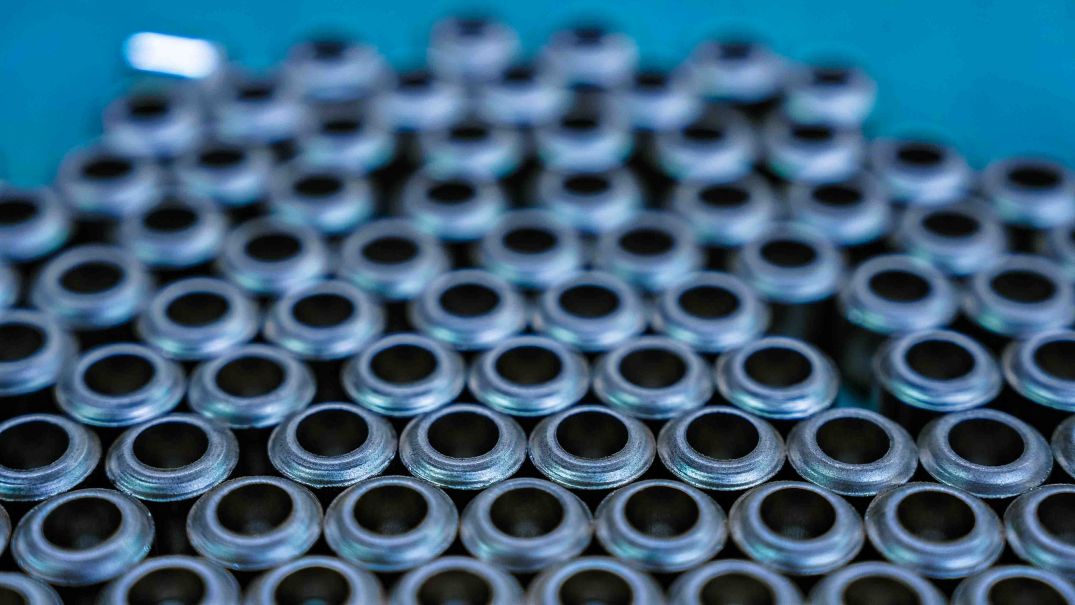
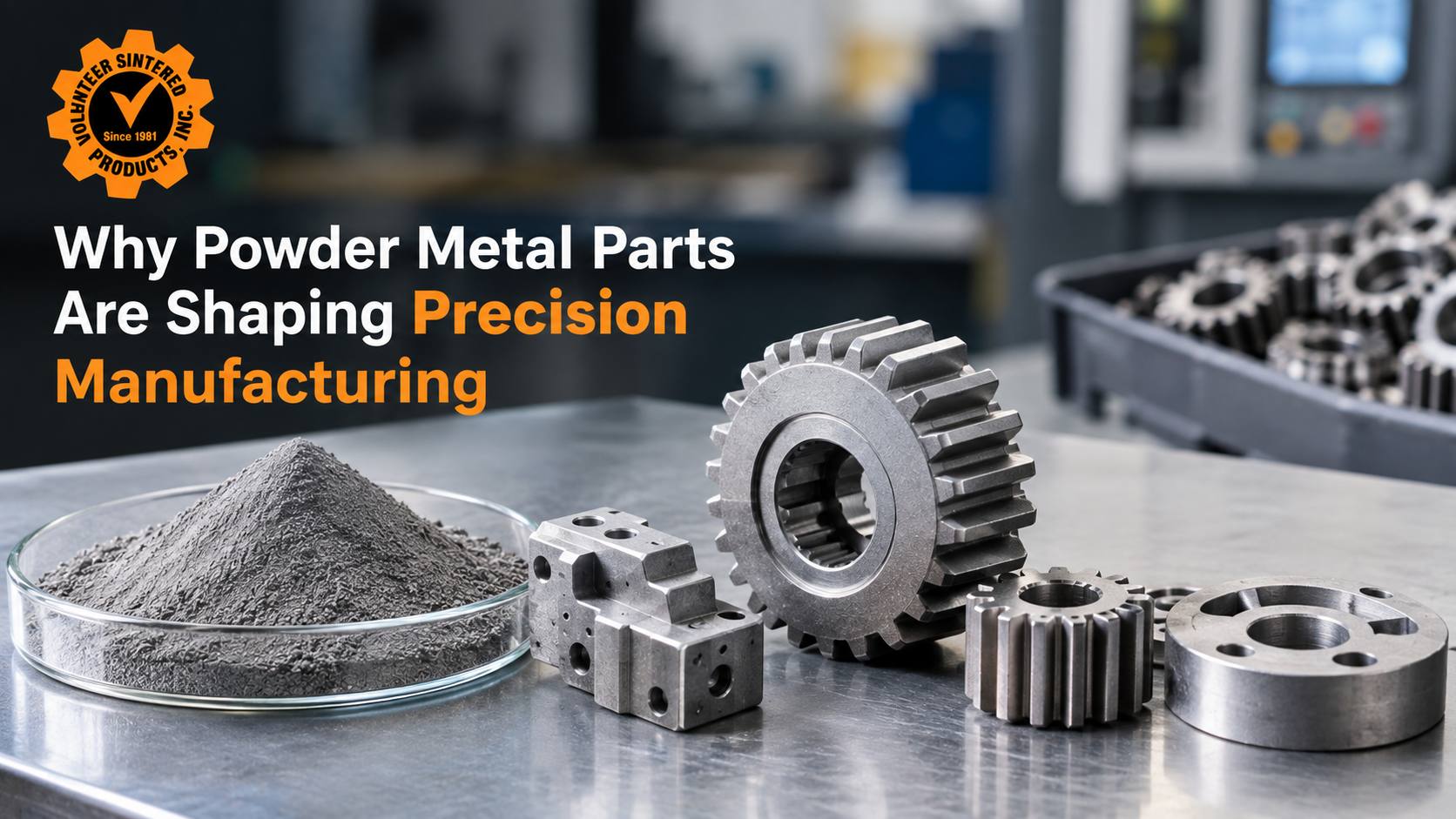
The field of precision manufacturing is undergoing transformation due to the need for components that can be produced with high accuracy, reliability, and cost-effectiveness. High tolerances are to be achieved without excessive waste of materials, cost, or quality. Powder metal components are becoming increasingly useful in the fulfillment of these requirements due to the method of forming them out of metal powder instead of taking away material from solid stock.
1. Near-Net-Shape Production Minimizes Material Waste
The efficiency of raw material usage is one of the reasons why powder metal parts are influencing precision manufacturing. In traditional machining, there is material removal from a bigger stock to form the required part. This process can lead to significant amounts of scrap formation, especially when manufacturing complex parts on a mass scale.
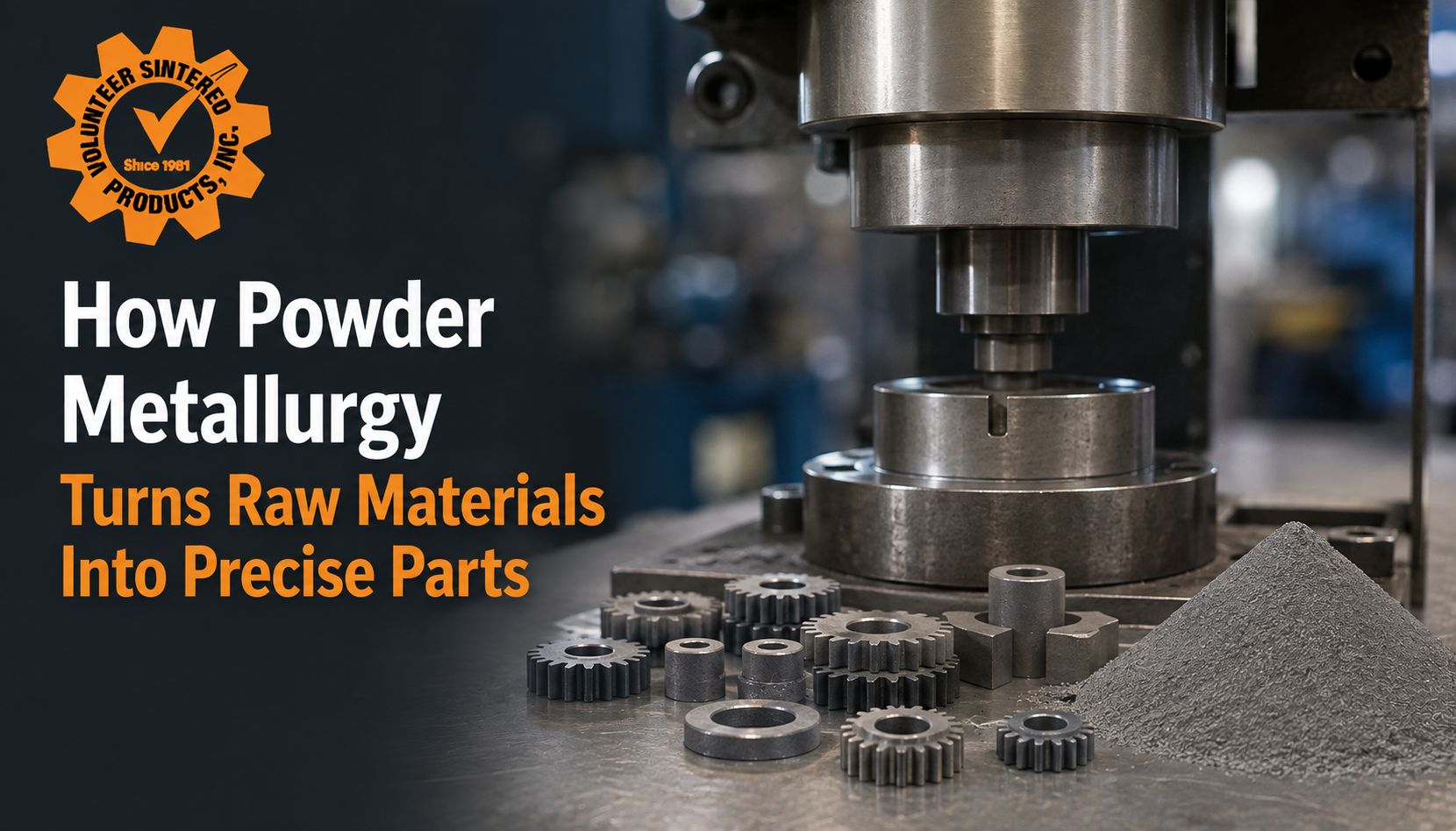
In powder metallurgy, the part is formed from metal powder compaction in a die at sub-melting temperature. As a result, the part has dimensions very close to its final ones, and this process is called near-net-shape manufacturing.
As fewer amounts of the material may be cut off from the part during subsequent machining, the manufacturer can save money and material resources. For manufacturers of thousands of parts, even a slight decrease in scrap formation can lead to significant savings. Manufacturers can find custom powder metal parts solutions and see how near-net-shape manufacturing suits their needs.
2. Complex Designs Become Easier to Manufacture
Often, modern machinery needs parts that have a complex shape and several useful functions. Such parts as gears, sprockets, cams, and others might feature teeth, grooves, holes, or profiles. It is possible to manufacture some of these parts through powder metallurgy.
This reduces the need for separate machining steps and can simplify production for suitable component designs. The process also allows engineers to consider material composition, density, and geometry together. These options can support components designed around specific mechanical or functional requirements.
Design Flexibility Must Work With Production Requirements
An intricate geometry only becomes useful if it is producible and functional. The parts from powder metal provide many design options for engineers, who have to take into account many factors while developing the geometry.
3. Repeatable Production Supports Dimensional Consistency
Precision manufacturing is dependent upon the manufacture of parts that will fit with each other to form the assembly. Dimensional variability may have effects on assembly, performance, and quality control.
The use of tooling to compact a powder into a component creates repeatable parts. If the process is well-developed and controlled, it can be used for reliable manufacture of parts in large lots.
But precision cannot occur without effort. The management of considerations like the nature of the powder, compaction pressures, sintering conditions, tooling, and other secondary operations is essential. Inspection and process control help to spot variability.
This combination of repeatable forming and controlled processing makes powder metal parts useful for applications where consistent dimensions and dependable production are essential.
4. High-Volume Manufacturing Becomes More Efficient
Many industries require large quantities of identical components without sacrificing quality. Powder metallurgy can support this need through repeatable compaction and sintering cycles.
Once tooling and process parameters are established, manufacturers can produce substantial volumes with limited material removal. Fewer secondary operations may also reduce handling and shorten the overall production sequence.
In addition to that, the efficiencies mentioned above are quite important when considering total manufacturing cost. It is essential to take into account such factors as the cost of tooling, production quantity, materials used, and the cycle time. In cases of high-volume production, powder metal manufacturing becomes a good option.
Efficiency Also Depends on Choosing the Right Process
Not every component is automatically suited to powder metallurgy. Part size, geometry, required mechanical properties, and expected production volume all influence process selection. Comparing these factors helps manufacturers determine where powder metal parts offer meaningful advantages.
5. Controlled Porosity Creates Functional Opportunities
With powder metallurgy, one is provided with the capability of controlling the porosity of some particular elements. This is because it is not necessary to view all pores in the parts as defects.
Porous sintered bearings are a common example. Their structure can retain lubricating oil, allowing the bearing to provide self-lubricating performance under appropriate operating conditions. This can reduce the need for separate lubrication arrangements in some applications.
Controlled porosity can also influence density and other material characteristics. These properties must be designed and verified according to the component’s intended use. Understanding powder metallurgy manufacturing helps engineers evaluate how material structure can support specific functional requirements.
For precision manufacturing, this means powder metal parts can provide functional characteristics that may be difficult or costly to achieve through some conventional processes.
6. Material Options Support Different Applications
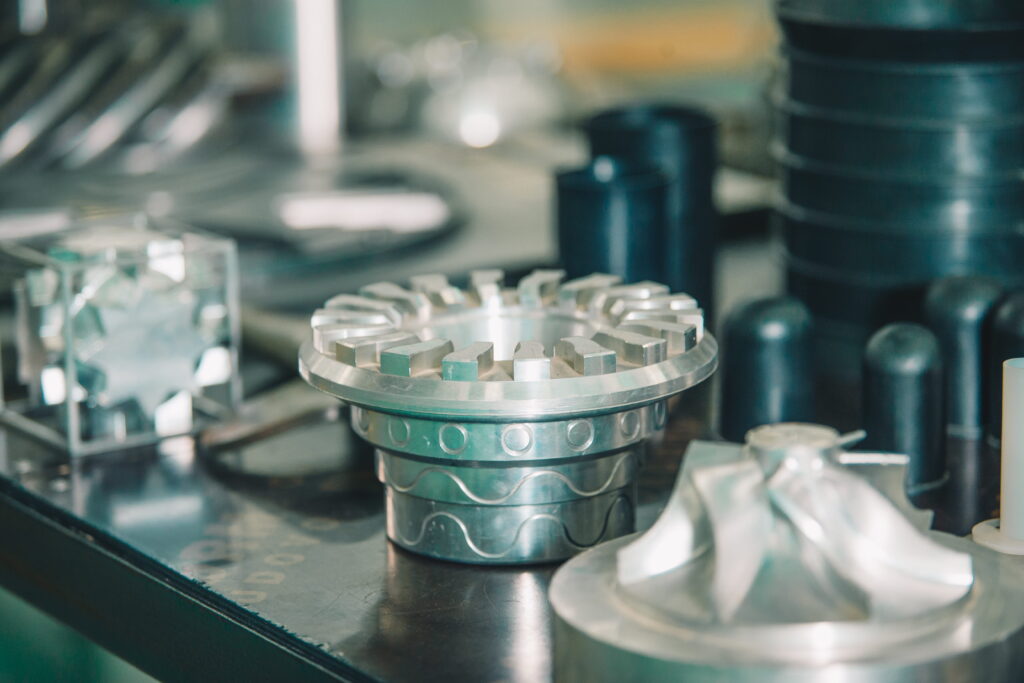
The process of powder metallurgy can be conducted using various types of metal powder systems like iron alloys, stainless steel, copper alloys, and others.
This makes it possible to pick the material that possesses certain characteristics that would satisfy the requirements of the application environment. Some parts made from powder metals can be used for specific functions in the automotive industry, in industrial machines, and tools.
The wider potential of powder metallurgy comes from combining suitable materials with appropriate tooling and process controls. Careful engineering helps ensure that a component’s final properties meet its actual service requirements.
7. Resource Efficiency Supports More Responsible Production
Many manufacturers are beginning to assess the influence that their production decisions have on material usage, energy usage, and waste. Near-net-shape forming, as well as reduced machining in the powder metallurgy manufacturing technique, allows the manufacturer to achieve a more sustainable product by using fewer resources.
In some cases, reusing the powder or production material is possible, but only depending on the type of material and its quality control standards. Yet, there are a number of factors involved in the manufacturing process that will make the manufacturing environmentally friendly. These factors include the production of powder, energy used, sintering parameters, and finishing.
Turning Precision Into a Manufacturing Advantage
Parts made from powdered metal materials will drive future developments in precision manufacturing since they combine various beneficial characteristics such as efficiency of material use, creation of complicated parts, repeatable processes, and the possibility to tailor certain material characteristics.
However, their success will be determined by choosing the appropriate application and managing all key aspects of production, including the preparation of the powder and tooling, compaction, sintering, and inspection stages.
As product designs and manufacturing requirements continue to evolve, choosing a process will require more than comparing individual part costs. It will mean considering quality, material efficiency, production scale, and long-term reliability together. Manufacturers assessing these factors can get in touch with Volunteer Sintered Products to discuss their component requirements and explore suitable powder metal manufacturing approaches.