Companies are always seeking methods to enhance production efficiency while not sacrificing quality. The secondary machining operations, which involve milling, drilling, turning, and grinding processes, usually take more time to produce parts and thus are associated with increased production costs and material waste. The sintered metal process is an efficient method to manufacture components with dimensions approaching those required, hence avoiding further processing steps.
Why Reducing Secondary Machining Matters
Every new operation takes more time, effort, resources, and waste. Traditional methods usually start with a solid piece of metal, removing much of the material in order to get the right form.
Sintered Metal Solutions utilizes precision powder compaction and sintering, resulting in parts that can be used without secondary operations or require only a minimal amount of processing.
1. Near-Net-Shape Manufacturing Minimizes Machining
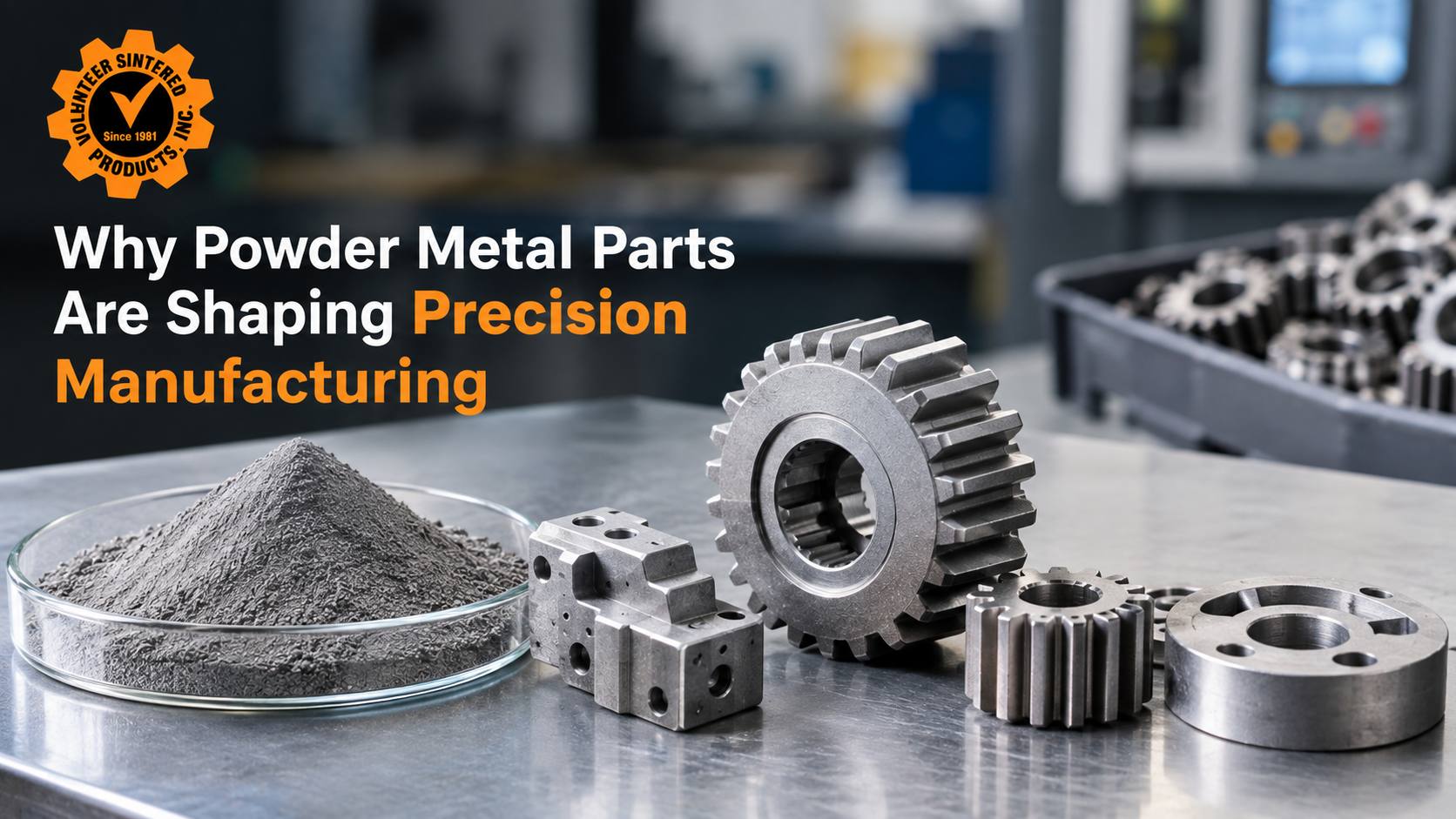
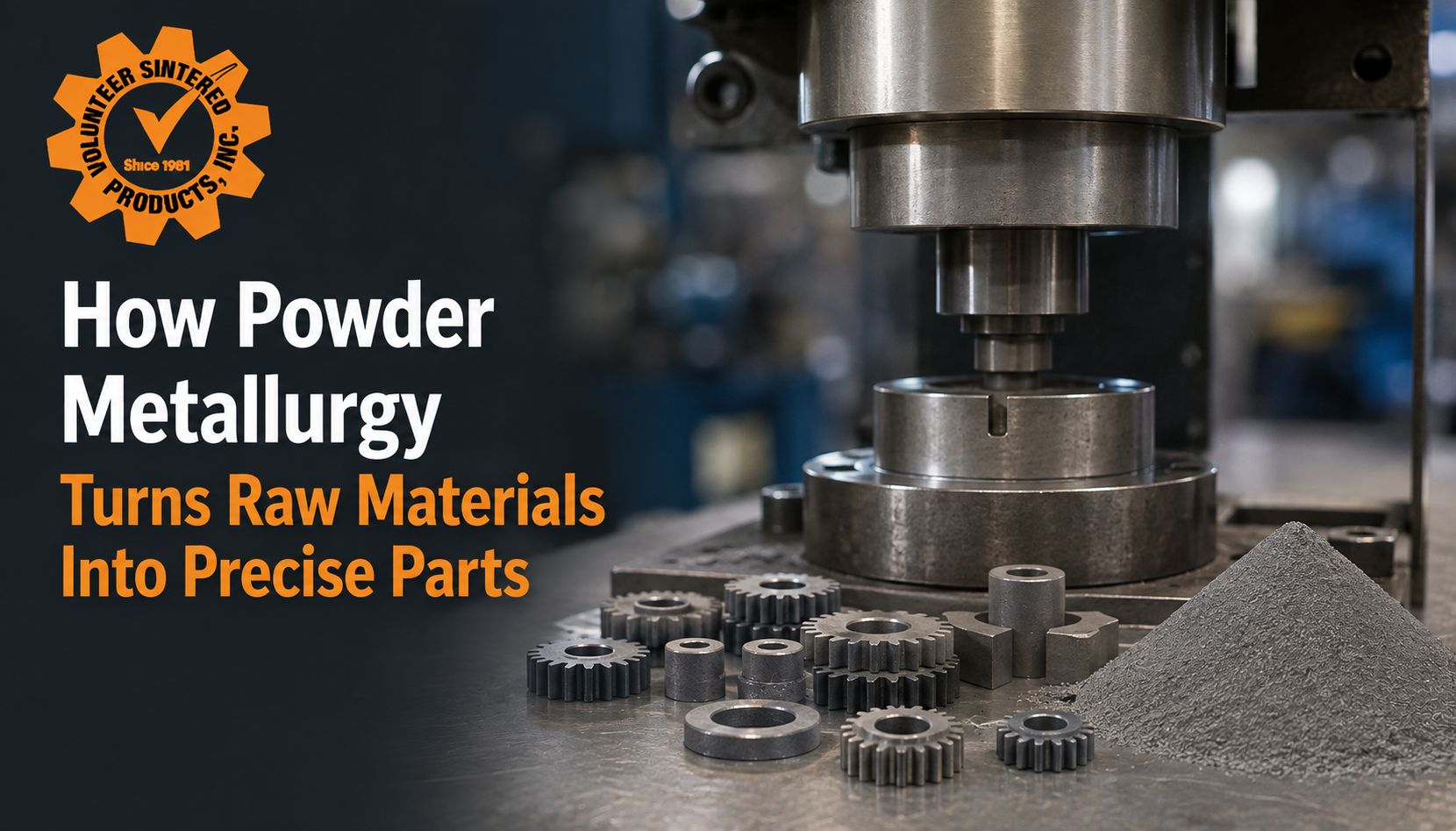
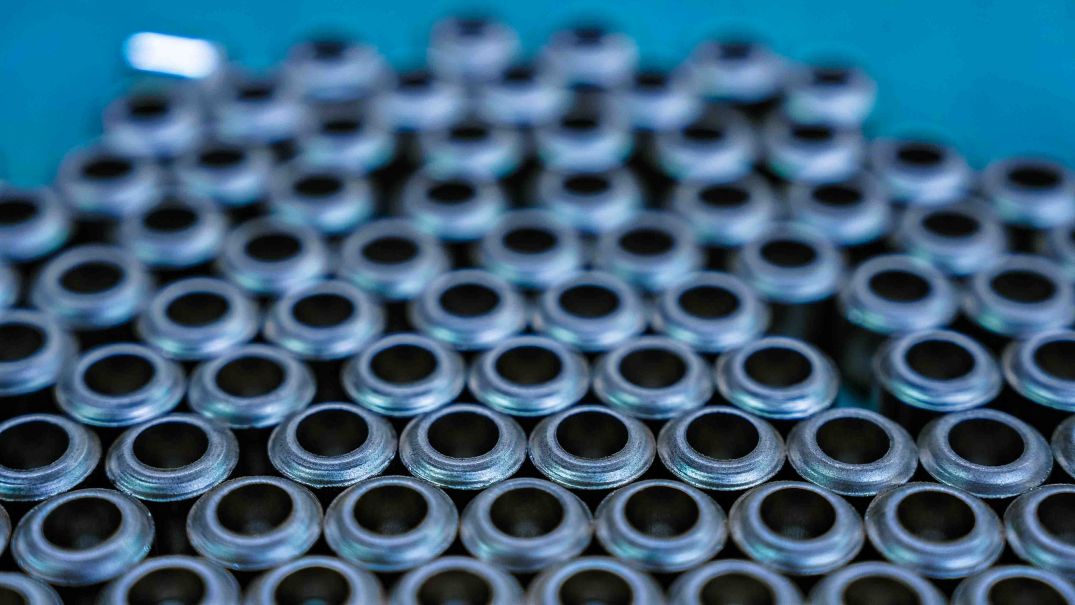
Perhaps one of the biggest benefits of using sintered metals is near-net-shape manufacturing. Powdered metals are compacted in precision dies, thus creating parts that will come very close to their final dimensions before they go into the sintering furnace.
As the components are produced with very strict tolerances, there is no need for long milling, turning, or drilling operations. Time and materials are saved, while accuracy remains high.
2. Complex Geometries Are Created During Forming
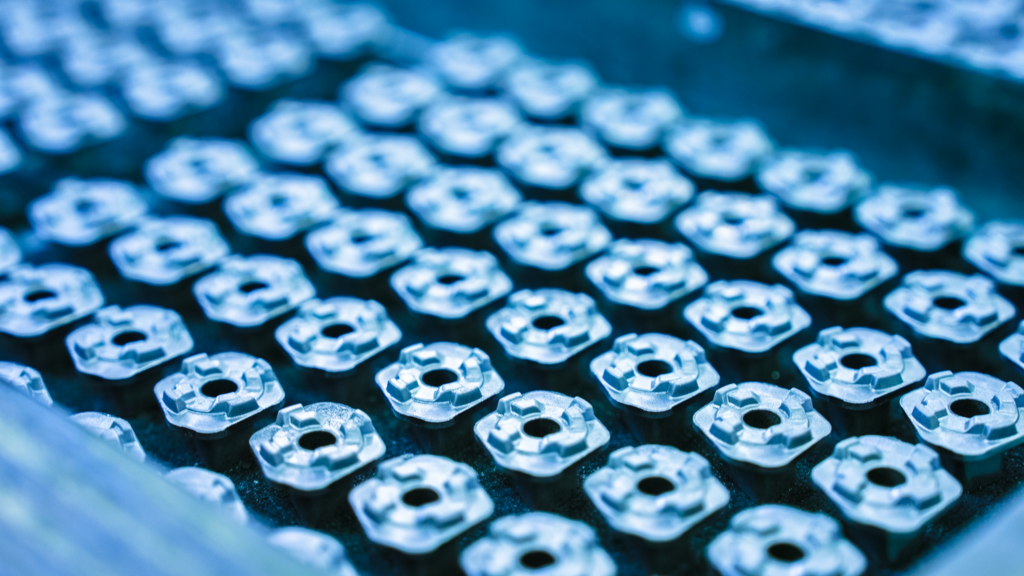
Many traditional manufacturing methods require multiple machining operations to produce gears, splines, cams, internal teeth, and other complex features. Sintered metal manufacturing creates many of these geometries directly during the pressing stage.
By incorporating these intricate details into the tooling design, manufacturers eliminate several secondary operations while maintaining consistent dimensional accuracy throughout production.
3. Sinter Hardening Eliminates Additional Processing
Modern sintering technology offers more than shape formation. Advanced material formulations combined with controlled furnace cooling can achieve the desired hardness during the sintering process itself.
The integration of the process allows the heat treatment, quenching, and distortion correction stages to be minimized or eliminated. As a result, less production time is required.
4. Consistent Dimensions Reduce Rework
With precision tools and well-controlled production processes, there is high consistency of production runs from one run to the other.
Reliable repeatability also improves assembly efficiency because components fit together as intended without extensive finishing work.
Understanding the Broader Manufacturing Benefits
Benefits of reduced machining operations go beyond reduced production time. There are benefits for manufacturers such as increased material efficiency, reduced operating costs, and improved production processes.
5. Higher Material Utilization Improves Efficiency
Traditional machining often removes a large percentage of the original material to create the finished component. Sintered metal manufacturing works differently by using only the material needed to produce the part.
Material utilization frequently exceeds 95%, significantly reducing scrap while improving overall production efficiency. This makes sintered metal components an attractive option for manufacturers seeking greater resource efficiency and lower production costs.
6. Process Consolidation Simplifies Manufacturing
Powder metallurgy involves many manufacturing processes in a single manufacturing process. Operations such as shaping, alloying, strengthening, and hardening can be carried out in fewer primary manufacturing processes.
Reduced processes mean reduced labor cost, less equipment, and reduced production time without compromising on product quality.
Looking Beyond Cost Savings
While lower production costs are an important benefit, reducing secondary machining also improves manufacturing quality and long-term operational performance.
7. Better Quality Through Process Consistency
There is potential for variation in each machining process. The fewer processes involved, the more consistent the manufacturing process will be.
The density of materials used is kept uniform, along with using precise tools and a controlled sintering process to ensure predictable mechanical behavior of parts.
8. Supporting Modern Manufacturing Requirements
The use of powder metallurgy in industries such as automotive, aerospace, medical devices, industrial machines, and consumer goods is becoming common since the process allows for large-scale manufacturing with repeatable accuracy.
With increasingly complex design requirements for parts, there has been a need for manufacturing processes that can manufacture complex shapes without introducing extra machining steps. The sintered metal manufacturing process fulfills this need.
Building a More Efficient Manufacturing Future
Efficient secondary machining is not only about saving manufacturing time; it is also about having a smarter way to manufacture. Thanks to the combination of near-net-shape manufacturing, precision tooling, high material utilization rates, and integrated hardening procedures, sintered metal technology can make the manufacturing process more productive and environmentally friendly.
Top manufacturers like Volunteer Sintered Products, GKN Powder Metallurgy, and Höganäs keep developing their capabilities in the area of innovative powder metallurgy for improving their manufacturing efficiency and product performance. Despite the diversity of capabilities of each of them, the focus of the whole industry is on precision engineering and innovative manufacturing.