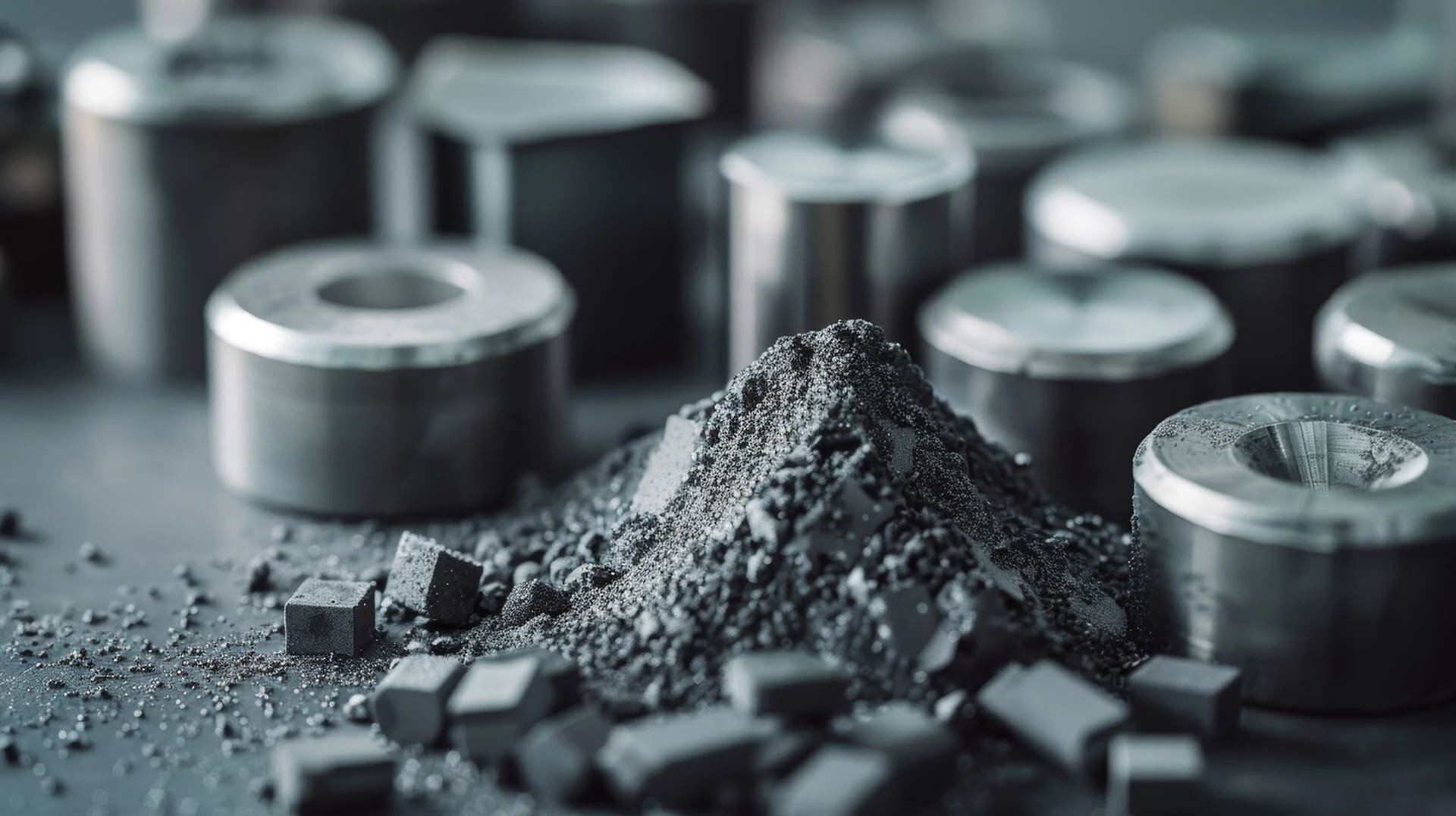
Manufacturing in modern times is moving faster than ever before because there is a need for accuracy, efficiency, and better means of producing things more sustainably. The trend nowadays is to find processes that minimize wastage while creating top-quality parts that perform better. Powdered metals have grown into becoming part of this trend because of the unique manufacturing processes they have.
Knowledge about the various trends, as well as insight into the manufacturing industry, will be helpful when preparing oneself for the future within the manufacturing industry. The technology will keep on advancing, making powdered metallurgy more prevalent in manufacturing processes.
Why Powder Metal Solutions Are Becoming Essential
The need to enhance the quality of products while containing cost and minimizing the environmental footprint continues to be the pressure on manufacturers. Powder metallurgy provides solutions to some of these problems through near-net-shape manufacturing, efficient utilization of material, and consistency in quality.
This has made powder metal solutions a highly valued technique for manufacturing intricate parts with limited machining and minimal material wastage.
1. Additive Manufacturing Is Expanding New Possibilities
One of the biggest trends in manufacturing is the fast growth of additive manufacturing. The use of metal 3D printing technology and Metal Injection Molding (MIM) technology creates possibilities for manufacturing complex geometries that are hard or costly to manufacture using conventional methods.
The fields of aerospace, medical devices manufacturing, and automobile manufacturing are among those applying these technologies.
2. Automation Is Improving Manufacturing Efficiency
Automation continues to change the way powder metallurgy processes operate in the industry. Material handling, automatic compaction, and digital controls have been used by companies to ensure consistency and efficiency in their operations.
Moreover, artificial intelligence is now playing a critical role in quality control. AI-assisted inspection processes enable firms to notice changes in the process early enough, ensuring better process control with fewer defects and downtime.
3. Advanced Alloy Development Is Driving Innovation
The need for advanced materials is increasing continuously because of the increasing demand for better mechanical characteristics of these materials by companies. Some such materials include high-density stainless steel powders, aluminum alloys, and superalloys of nickel.
These materials possess improved strength, durability, heat and corrosion resistance, and wear resistance properties that help manufacturers produce complex engineered goods.
Understanding Today’s Manufacturing Landscape
Beyond technological innovation, several market forces continue to influence the future of powder metallurgy and advanced manufacturing.
4. Global Market Growth Continues
The powder metallurgy sector is steadily growing due to rising demands in the manufacturing of electric vehicles, automation processes, health care equipment, and aerospace engineering sectors. Increased investments in production technologies are driving market growth.
Manufacturing using powders is increasingly becoming more popular because of the desire for higher efficiency and performance from manufacturers.
5. Supply Chain Challenges Encourage Smarter Manufacturing
Material procurement, logistics costs, and political instability have forced manufacturers to think about their supply chains. Many firms are now considering localized manufacturing and diverse supply sources to ensure flexibility.
In addition to these changed dynamics, manufacturers are becoming more interested in innovative powder metal solutions that enable material efficiency, flexible manufacturing processes, and reduced reliance on machining.
6. Sustainability Is Becoming a Competitive Advantage
In addition to being a compliance issue, environmental responsibility has become an effective source of competitiveness. More manufacturers tend to embrace environmentally friendly techniques of atomization, recycling powders, and a closed-loop manufacturing process.
Being an economical manufacturing technique that produces much less waste than other traditional manufacturing methods, powder metallurgy fits perfectly well within sustainability programs.
Looking Ahead at Future Manufacturing Opportunities
As technology continues to progress, powder metallurgy manufacturing is poised to assist in a wider scope of industrial manufacturing operations using better systems of manufacturing and more sophisticated engineering.
7. Digital Manufacturing Will Improve Process Control
More manufacturing facilities will integrate digital manufacturing through process control via monitoring and real-time analytics of production processes.
Digital manufacturing combined with powder metallurgy manufacturing will enable the creation of more flexible manufacturing environments that will be capable of producing volume and specialized parts alike.
8. Demand for Customized Components Will Continue to Rise
Industries are focusing on application-specific products as opposed to standard products. In this case, there is an increase in the need for customized metal powders, special alloys, and engineered components.
With more industries valuing flexibility in designs, powder metallurgy is likely to continue aiding manufacturing companies with complicated shapes, better tolerance levels, and mechanical properties at no extra cost of production.
Preparing for the Future of Manufacturing
Powder metal technologies have become the core elements of contemporary manufacturing, providing efficiency, precision, and sustainability in one technological line. With the constant development of additive manufacturing, automation technologies, and innovative materials, manufacturers will be able to increase the effectiveness of their operations as well as the quality of products that they manufacture.
Companies specializing in the field, such as Volunteer Sintered Products, GKN Powder Metallurgy, and Höganäs, are still developing innovative approaches, materials, and manufacturing technologies in order to meet new market requirements. Even though each company specializes in its own sphere, the general direction of development of the whole industry is oriented toward efficiency, quality, and innovation.
In case manufacturers plan their future investments, they will need to be aware of current market tendencies in order to make proper engineering and production decisions. In the future, Volunteer Sintered Products will be a part of the process of the development of powder metallurgy technology.