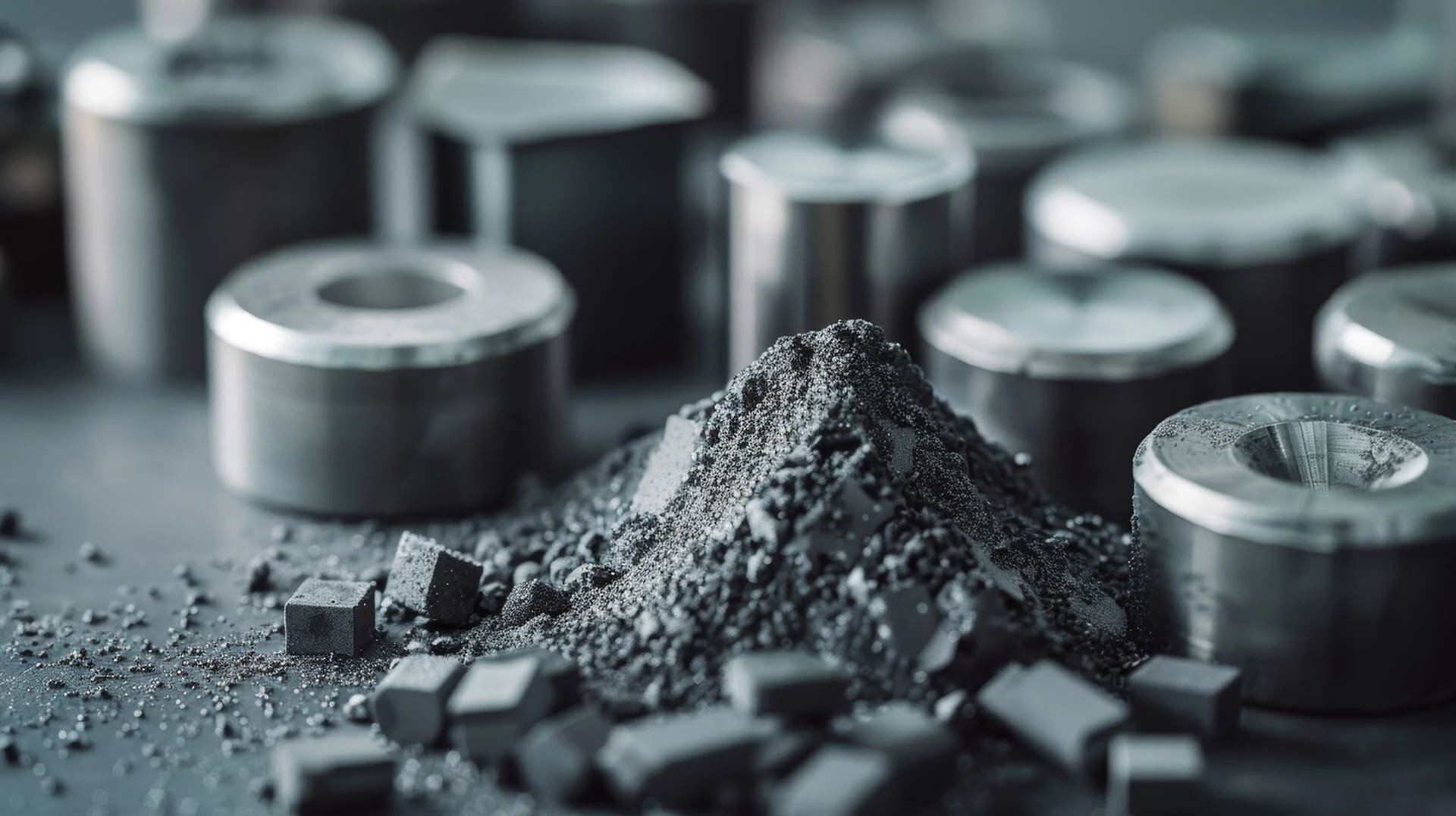
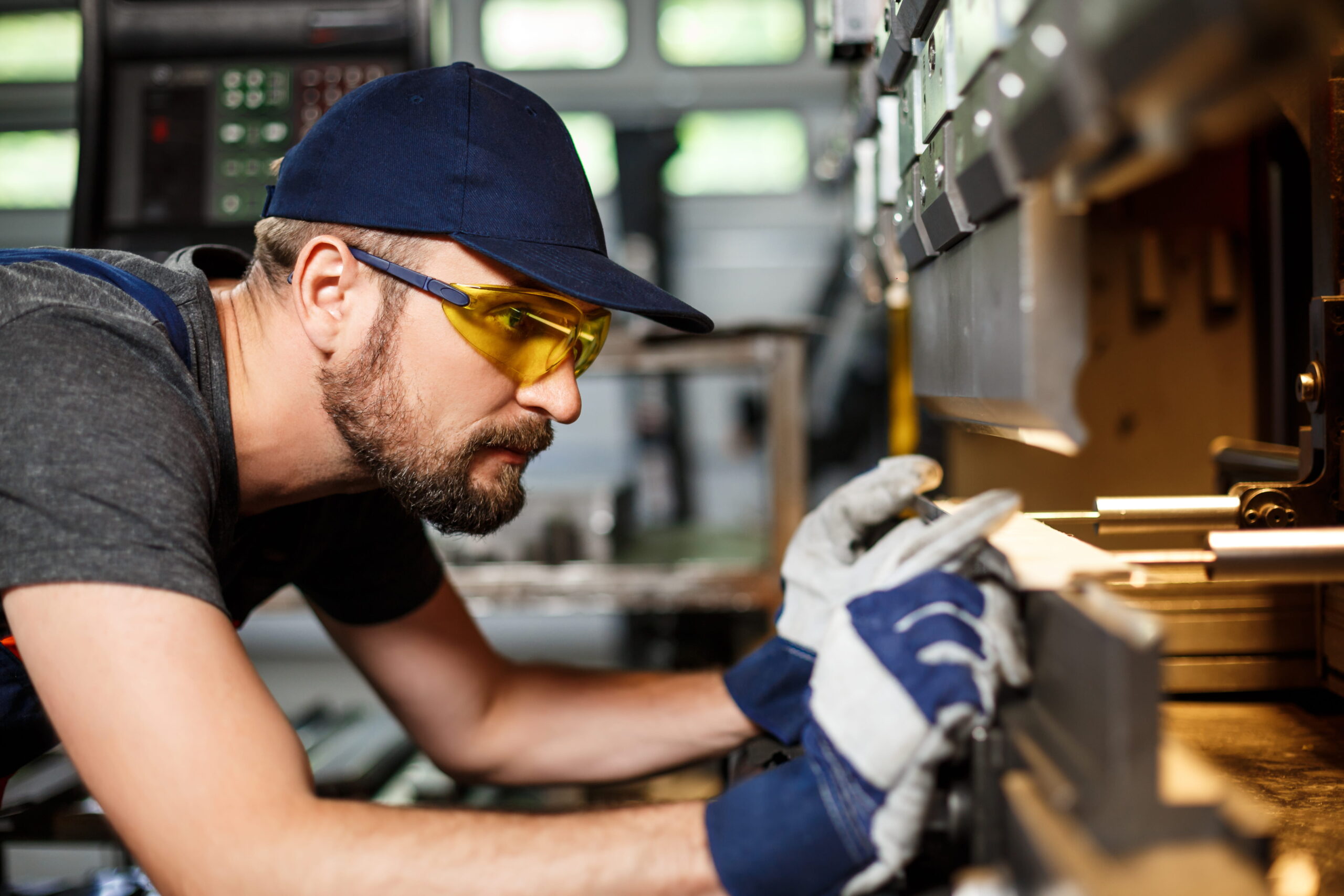
A whole new world will soon open up in manufacturing due to electrification, innovative materials, sustainable development, and digital fabrication processes. Searching for lighter, stronger, and more efficient components, engineers turn to powder metal engineering with increasing interest. The coming decade will see many innovations and alterations in metal powder engineering, which will impact many industrial sectors significantly.
Knowing about them will help professionals from the spheres of engineering, manufacturing, and business plan for future challenges in the market. This article is an attempt to analyze the future of powder metal engineering in the next 10 years from the perspective of market tendencies, analysis, and forecasts.
A New Phase of Growth for Powder Metal Engineering
Powder metallurgy has traditionally been linked to the manufacture of automobiles in large quantities. Even though this segment of the market still holds value for the future, the applications that will take precedence in the future will be those that will demand more advanced materials and design capabilities.
With the progression of manufacturing techniques, Powder Metal Engineering will find new applications beyond press-and-sinter parts.
Key Trends Shaping the Next Decade
1. Additive Manufacturing Will Continue to Expand
Metal additive manufacturing technology has already made great impacts on the development of products, but it is believed that the effect will be much more influential in the coming years. The application of the technology, which started as a means to prototype, is now increasingly being used for actual manufacturing.
Aerospace, medical devices, and defense industries are among those investing greatly in metal 3D printing technology because of the intricate shapes that can only be produced by metal additive manufacturing and not by any other method.
2. Electrification Will Reshape Product Demand
With more emphasis on electric and hybrid automobiles around the world, there is a need to exploit opportunities in the powder metallurgy industry that will arise with these changes.
Companies now have to focus more on the development of soft magnetic alloys, lightweight structural components, and materials made for use in electric drive trains.
3. Material Customization Will Become a Competitive Advantage
There will be a need for the development of materials customized for very specific performance needs. This is anticipated to create more need for specialized metal powders such as titanium, copper, and tungsten, among others.
The sectors that include renewable energy production, aerospace systems, and defense have been looking for materials that give high strength, conductivity, thermal resistance, and durability.
4. Sustainability Will Influence Production Methods
The environment is emerging as an important criterion for making manufacturing choices. During the next decade, companies in the powder industry will put greater emphasis on recycling equipment, energy-efficient production facilities, and eco-friendly manufacturing processes.
In addition to that, innovations in atomization technology and waste recovery will make it possible to achieve this goal.
Examining the Market Outlook
Technological innovation is only one part of the industry’s future. Market growth projections also point toward a strong and expanding role for powder-based manufacturing.
5. Global Market Value Is Expected to Rise
The industry’s value differs based on the scope of the segments considered. However, the wider market for powder metallurgy and metal powders is already worth several billion dollars.
Investments in the development of advanced technologies in manufacturing, medical instruments, the aviation industry, and energy production will lead to continuous growth in the coming decade.
6. Growth Rates Remain Strong Across Multiple Segments
The growth rate of many markets is estimated between roughly 7.5% and up to 15% per year by many market experts based on technology type and application.
These growth rates demonstrate the rising significance of advanced powder metallurgy solutions in the manufacturing industry, which emphasizes precision and performance in advanced manufacturing.
Powder Metal Hot Isostatic Pressing (PM HIP), additive manufacturing, and alloy production processes will have greater growth rates compared to traditional processes due to the rising demand for high-performance products.
7. Regional Markets Will Evolve Differently
North America and Europe are anticipated to continue being at the forefront of value-added uses, including aerospace, healthcare, and engineered systems. Innovation and quality will ensure investment in specific powder technologies.
At the same time, the Asia-Pacific will likely continue leading in production volume. Countries such as China are benefiting from strong manufacturing infrastructure, growing electronics production, and significant investment in electric vehicle manufacturing.
Forecasting the Industry’s Future Direction
Several long-term developments are expected to influence where the industry stands by the middle of the next decade.
8. Healthcare Applications Will See Rapid Expansion
Powder metallurgy has some of the greatest potential in the medical manufacturing industry. The production of tailor-made implants and orthopedic equipment fits very well into the current trends in health care.
As the population grows older and the technological development in the health care field progresses, the demand for such items will only rise further.
9. Advanced Metal Powders Will Become More Valuable
There will be an increased demand in the future market for premium alloys that would be specifically tailored for certain uses. Aerospace companies, energy companies, and military organizations remain in search of powders that can perform exceptionally well in difficult conditions.
Such a trend will bring about new business prospects for firms involved in customized alloy production.
10. Localized Supply Chains Will Gain Importance
Current disruptions in the logistics sector have demonstrated the importance of resilient supply chains. In the coming years, there is likely to be a shift towards favoring localized production and sourcing by manufacturers.
This will create an opportunity for more investment in the local manufacturing of powder.
Looking Beyond the Next Decade
The future development of powder metallurgy is associated with continuous innovations, environmentally friendly manufacturing, and increased requirements for components. Technologies previously used only in certain areas are currently entering mass production, which makes it possible to increase efficiency, achieve higher precision, and make optimal use of materials.
Companies such as Volunteer Sintered Products, GKN Powder Metallurgy, and Hoganas are meeting these challenges through the development of new materials, technologies, and environmental approaches to production. Although the three companies have their strengths, the commonality of the approach is obvious; they contribute to the development of the industry and the implementation of engineering advancements.
In the course of developing the field of manufacturing, companies that are able to adapt to new trends and implement new powder metallurgy technologies will be able to provide increased quality of products and efficient manufacturing. Volunteer Sintered Products is one of the companies assisting in modern manufacturing through powder metallurgy.