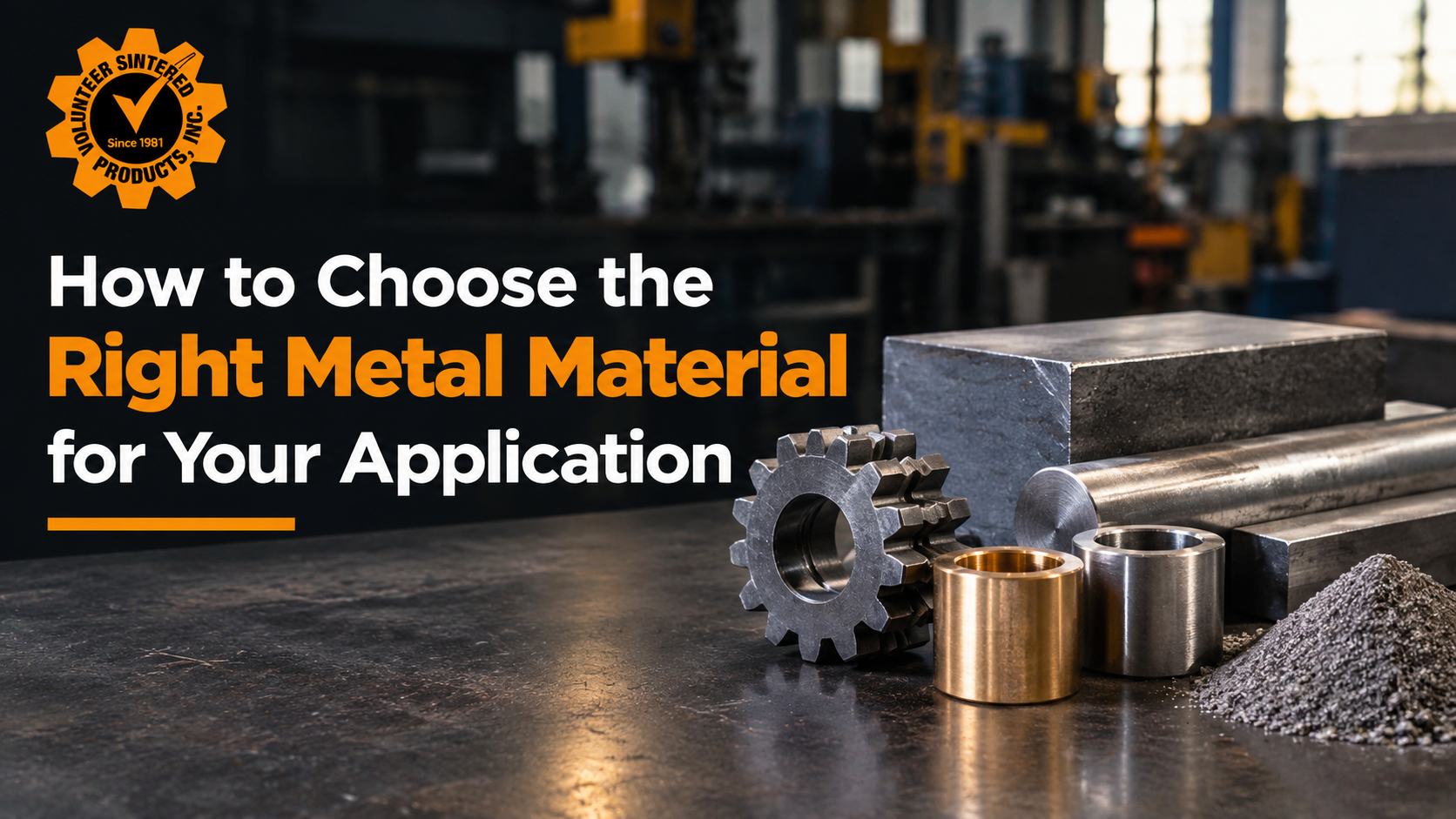
The right metal choice may significantly impact a product’s quality, strength, and cost. Metals are complex materials with various properties, so it may be hard to pick the most suitable one for a given application. Fortunately, there are particular considerations that should be kept in mind to pick the most reasonable material. This may help reduce expenses while ensuring that a component’s traits and performance are adequate.
1. Balance Weight, Machinability, and Manufacturing Needs
Weight may affect efficiency, maneuverability, transportation, and energy consumption. Some components are manufactured from aluminum or other light alloys, where lightness plays a key role.
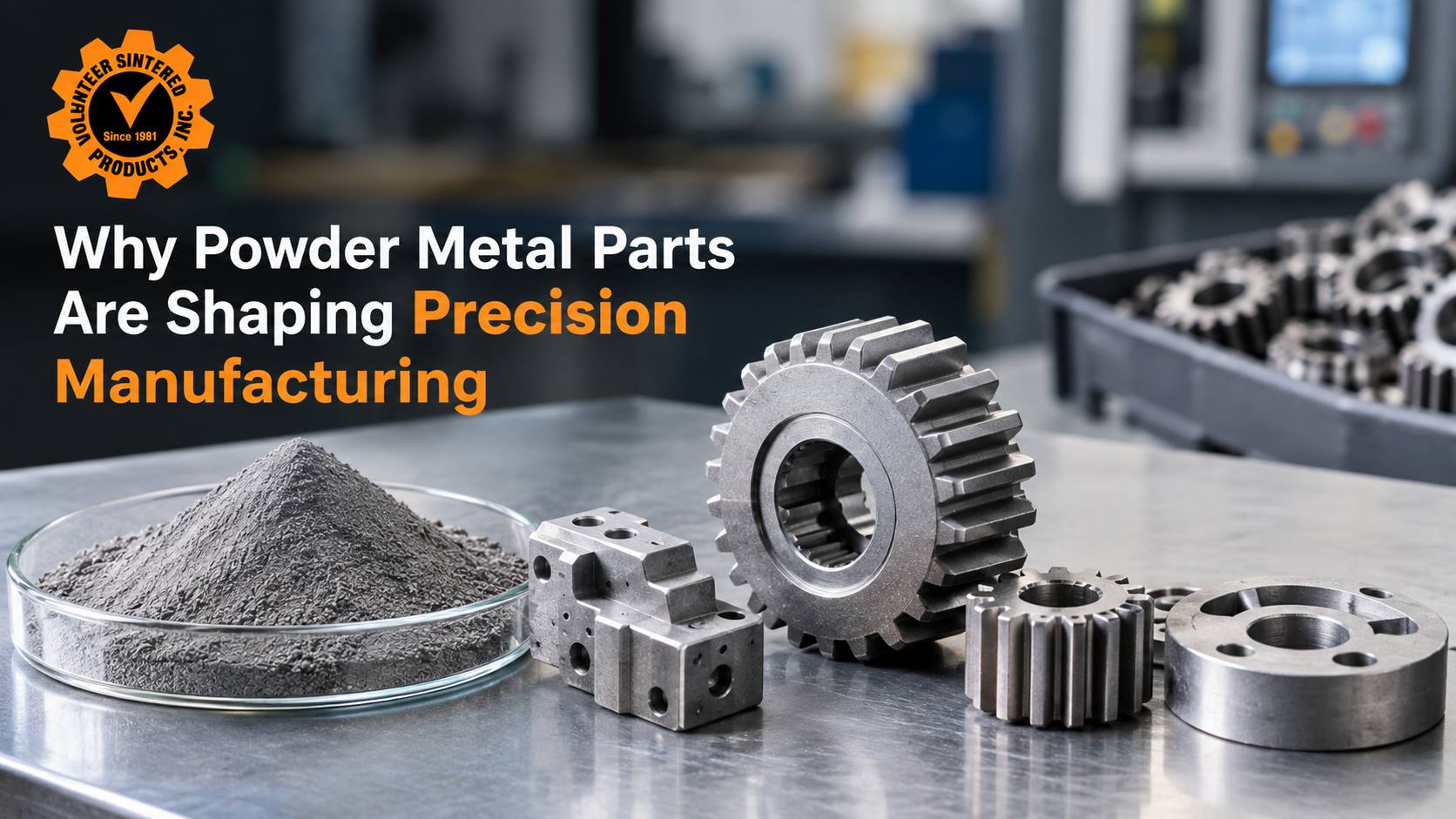
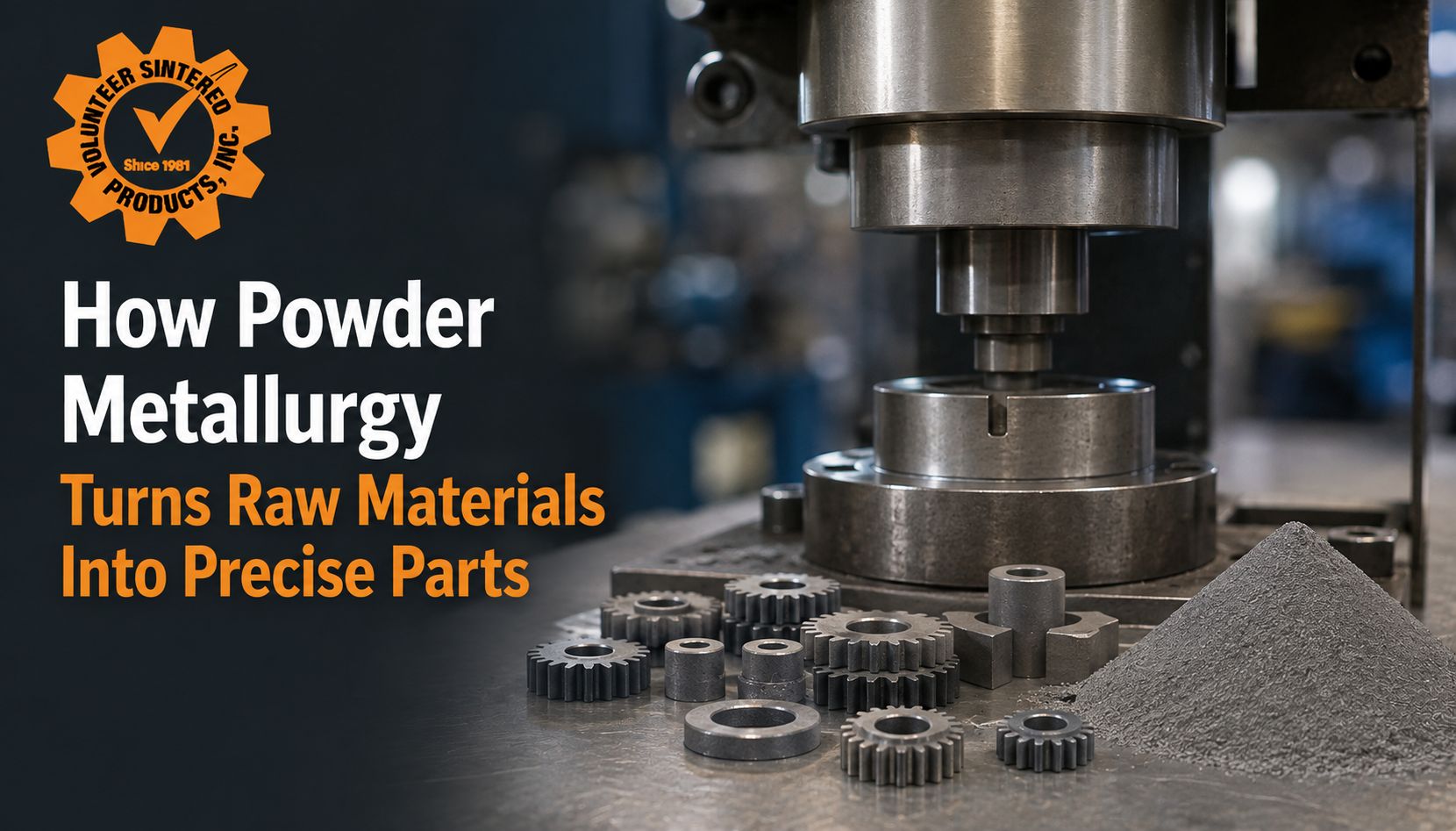
Sintered Metal Engineering can also be a good solution for complex shapes or special requirements for production engineering. Powder metallurgy is the process of forming metal parts by compacting the powder mixture and then combining the material by heating. The technique allows the production of parts with a complex shape and reduces material waste for many types of metal parts.
2. Evaluate Strength and Load Capacity
Strength is one of the most critical properties that should be taken into account when choosing a metal. The parts subjected to high pressures and loads should possess a higher resistance to failure under these circumstances.
Nevertheless, there are several other characteristics that should not be ignored. Apart from tensile strength, hardness, toughness, impact resistance, and fatigue resistance are no less important. One should match them to the operating environment of the detail in question.
3. Consider Corrosion and Environmental Exposure
The environment can have a significant effect on the metal’s life. Moisture, salt, chemicals, and temperature differences are some factors that can lead to the metal’s corrosion, destruction, and other issues.
The main consideration should be the environment where the metal will be located rather than its current state. Metal that was performing well indoors might start corroding rapidly when placed in a coastal, chemical, or wet area. The proper corrosion protection will ensure there is less downtime and fewer expenses due to metal replacement.
4. Understand Your Application Requirements
Prior to comparing metals, it is essential to think about what the part made of this material will be used for. It is important to consider whether it will bear a heavy load, undergo frequent motion, resist high temperatures, and, at the same time, not be subjected to the action of water or other liquids. All of the above factors will affect the choice of metal.
For example, construction parts will require a reliable source of strength, while auto parts may require a high degree of strength but a reduced weight. Industrial machinery parts will require resistance to abrasion and dimensional stability. Understanding what is needed for the application will narrow and make the task of selection easier.
5. Match Conductivity and Temperature Performance
The ability of metals to conduct electricity and heat determines their use in specific areas. Copper, for example, is used to manufacture electrical wiring, connections, and heating equipment due to its high level of electrical and thermal conductivity. However, less conductive aluminum can be used as a lightweight alternative in some electrical and thermal applications.
It is also necessary to determine the operating temperatures and whether the metal is subject to high pressure. Choosing the metal based on the working conditions will help avoid failures due to the metal’s natural properties.
6. Assess Material Quality and Production Consistency
Selecting the right metal is never an easy task. As well as choosing the right group of metal alloys, one also has to pay attention to the properties of the resulting material, its production history, and other characteristics that can affect the metal’s qualities and prospects.
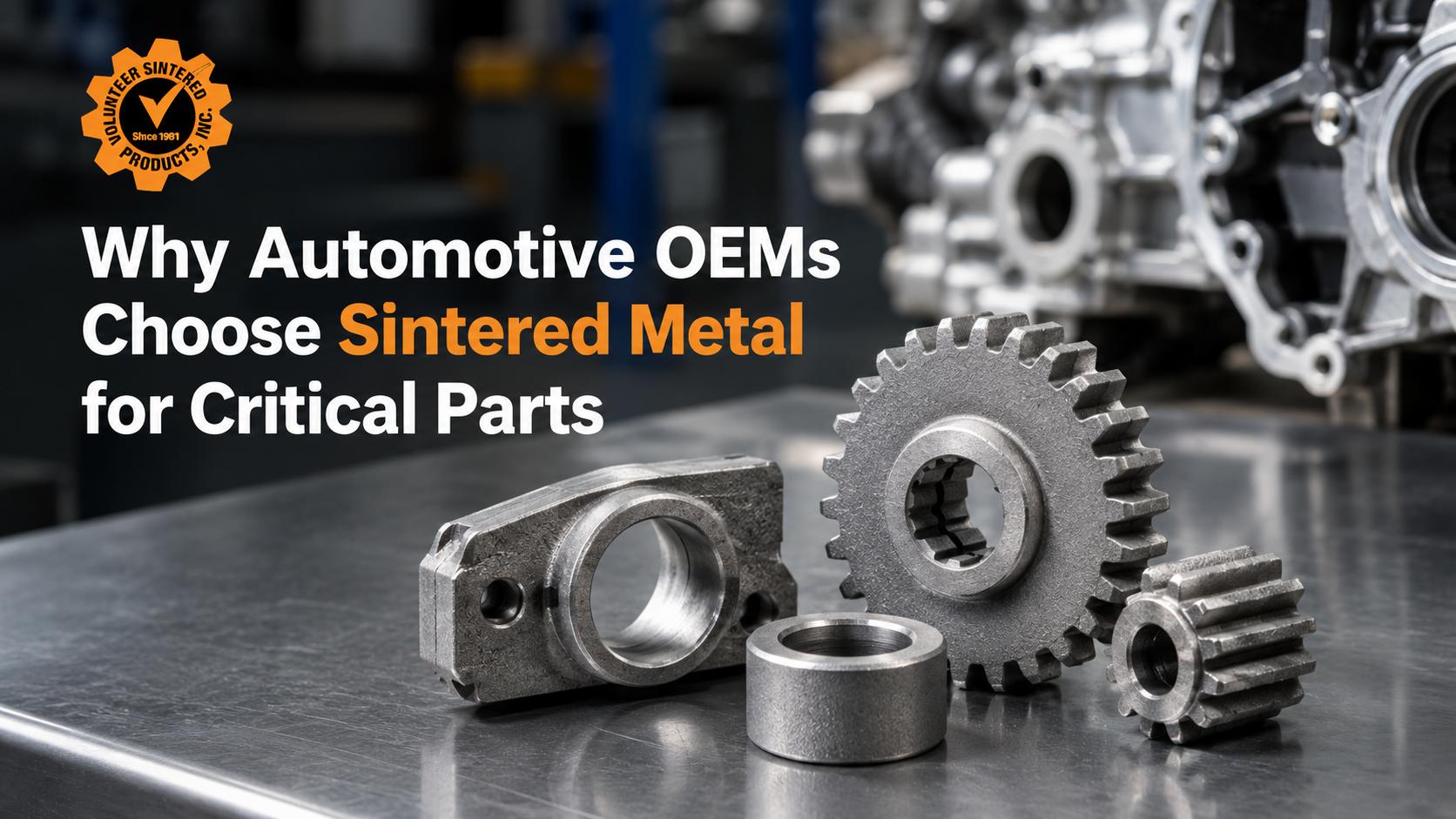
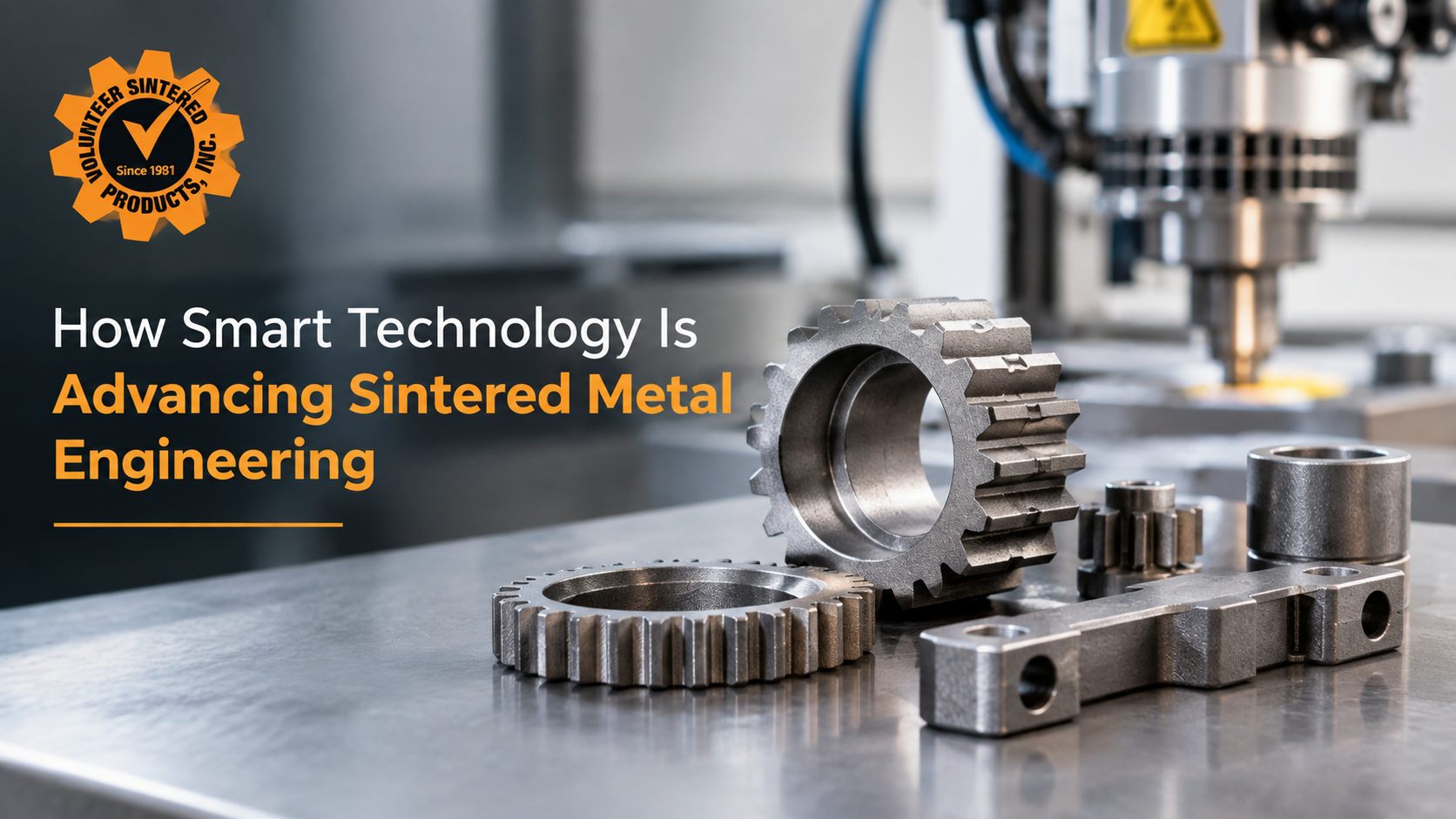
This is particularly important in powder metallurgy applications, where powder characteristics, compaction, and sintering conditions influence the finished component. Understanding sintered metal engineering can help you evaluate whether this production method suits your component’s design, performance targets, and manufacturing volume.
7. Compare Material Costs and Production Volume
The cheapest possible raw material is not always the best option. It is essential to consider several factors when choosing the most beneficial material. The purchase price, machining time, additional finishing, maintenance, and service life of a part should be considered.
Thus, carbon steel is a good option for various simple machines due to its low cost. Using aluminum alloys can be justified by decreasing the weight of a specific detail, resulting in the efficiency growth of some mechanisms. Although stainless steel parts can be expensive, this metal may be the right solution for parts that require frequent cleaning or replacement due to corrosion. Titanium and nickel alloys are usually applied in high-performance machines, and their application is explained by extreme operating conditions and the high cost of production.
Make a Decision that Ensures Long-term Performance Essay
When selecting metals, it is essential to evaluate their properties. It is critical to examine the operating conditions, the resistance to corrosion, the metal’s weight, manufacturability, and cost. Therefore, each metal has its advantages and disadvantages; the choice of the most optimal metal should be made considering its common usage without having an excessively high price and complexity.
So, it’s important to start by understanding the basic properties of the materials and evaluating the available options. Considering the manufacturing processes and specific technical requirements can help determine which option is most suitable. If additional technical guidance is needed, Volunteer Sintered Products can provide insights into relevant manufacturing considerations.